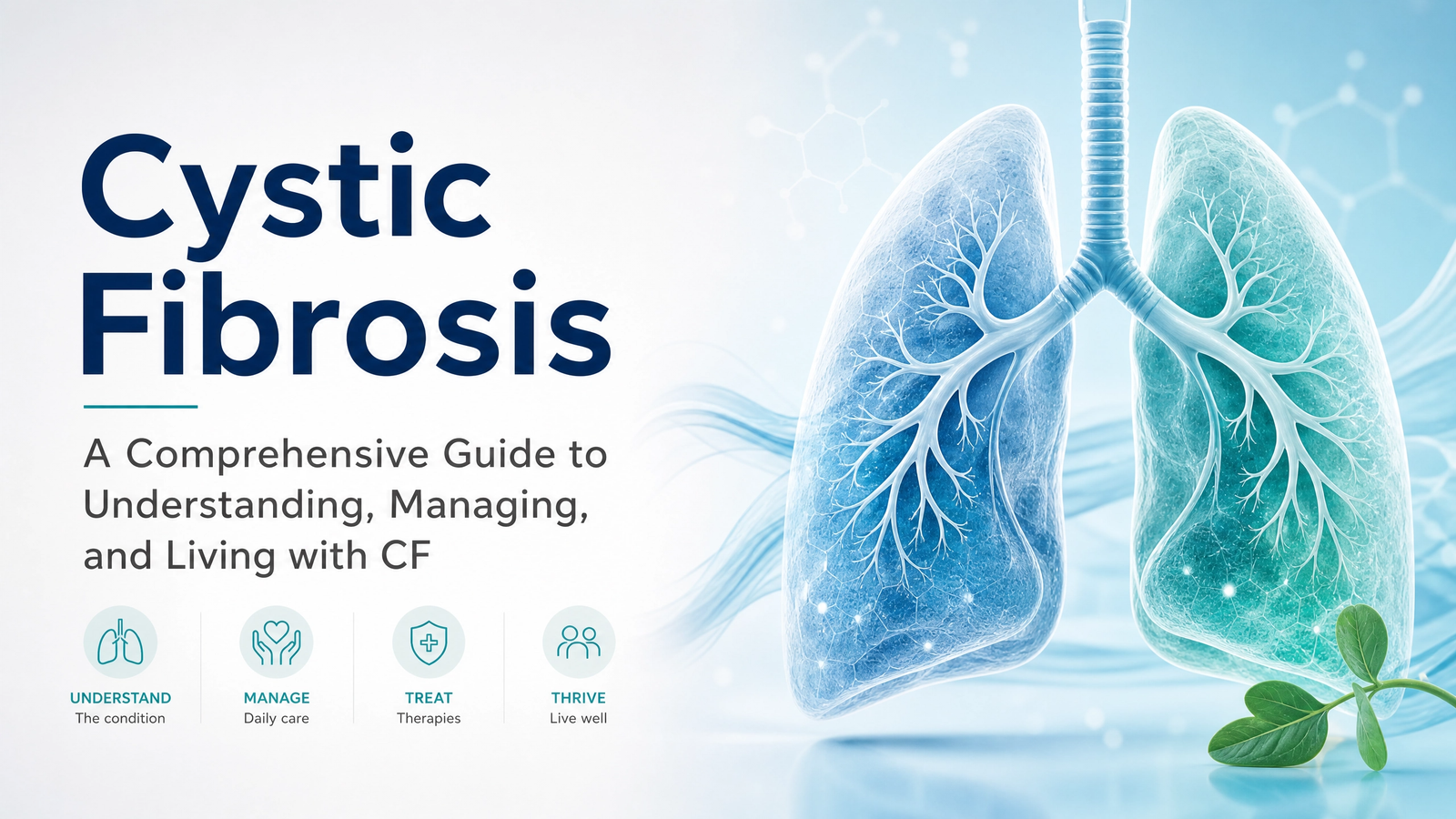
Cystic Fibrosis: A Comprehensive Guide to Understanding, Managing, and Living with CF in 2025
Cystic fibrosis represents one of the most complex and challenging genetic conditions affecting the human respiratory and digestive systems. For decades, this progressive disorder was regarded primarily as a childhood illness with limited therapeutic horizons. However, the medical landscape has transformed dramatically. With advances in molecular medicine, targeted therapeutics, and comprehensive care models, individuals diagnosed with cystic fibrosis today face a fundamentally different prognosis than those diagnosed even twenty years ago.
This comprehensive guide examines cystic fibrosis from multiple dimensions: the molecular mechanisms driving the disease, the clinical manifestations across different life stages, contemporary diagnostic methodologies, evidence-based management strategies, and the evolving therapeutic frontier. Whether you are a patient, caregiver, healthcare professional, or simply seeking authoritative information, this resource provides the depth and clarity necessary for genuine understanding.
Table of Contents
- 1. What Is Cystic Fibrosis?
- 2. The Genetic Architecture: CFTR Mutations
- 3. Clinical Presentation Across Life Stages
- 4. Diagnostic Pathways
- 5. Lung Health Assessment: CF Risk Calculator
- 6. Contemporary Treatment Paradigms
- 7. CFTR Modulator Therapies
- 8. Living with Cystic Fibrosis
- 9. Nutritional Considerations
- 10. Complications and Long-Term Outlook
- 11. Mental Health and Support Systems
- 12. Interactive CF Awareness Quiz
- 13. Emerging Research and Future Therapies
- 14. Frequently Asked Questions
- 15. Conclusion
1. What Is Cystic Fibrosis?
Cystic fibrosis is an autosomal recessive genetic disorder that principally affects epithelial cells throughout the body. The condition arises from mutations in the cystic fibrosis transmembrane conductance regulator gene, commonly abbreviated as CFTR, located on chromosome seven. This gene encodes a protein that functions as a chloride channel, regulating the transport of salt and water across cell membranes. When this protein malfunctions, the consequences cascade through multiple organ systems.
2. The Genetic Architecture: CFTR Mutations and Molecular Pathology
The CFTR gene spans approximately 250,000 base pairs on the long arm of chromosome seven and contains 27 coding exons. The protein product consists of 1,480 amino acids arranged into five functional domains. Over 2,500 distinct mutations have been identified, categorized into six functional classes based on their specific molecular effects:
Class I mutations result in little to no functional CFTR protein production. Class II mutations involve defective protein processing and trafficking — the most prevalent example worldwide is F508del. Class III mutations produce proteins that reach the cell membrane but fail to open properly. Class IV mutations reduce chloride conductance through the channel pore. Class V mutations decrease the amount of functional CFTR protein. Class VI mutations accelerate the turnover of CFTR protein at the cell membrane.
3. Clinical Presentation Across Life Stages
Newborn screening has transformed early detection. Meconium ileus occurs in approximately 15 to 20 percent of newborns with cystic fibrosis, representing one of the earliest and most serious presentations. Beyond this, infants may demonstrate poor weight gain, steatorrhea, and recurrent respiratory symptoms.
During childhood, respiratory manifestations become increasingly prominent: chronic cough, recurrent chest infections (particularly with Staphylococcus aureus and Haemophilus influenzae, with Pseudomonas aeruginosa becoming more prevalent as the disease progresses), wheezing, shortness of breath, and digital clubbing. Nutritional challenges include growth faltering, abdominal pain, and constipation.
Adult presentations increasingly recognized include recurrent pancreatitis, male infertility due to congenital bilateral absence of the vas deferens, bronchiectasis of unknown cause, chronic sinus disease with nasal polyps, and atypical asthma poorly responsive to conventional therapy.
4. Diagnostic Pathways
Sweat chloride testing remains the gold standard. A sweat chloride concentration of 60 millimoles per liter or higher on two separate occasions supports a diagnosis of cystic fibrosis. Values between 30 and 59 millimoles per liter represent an intermediate range requiring further evaluation.
CFTR gene sequencing provides definitive identification of disease-causing mutations. For individuals with clinical suspicion but negative standard panels, comprehensive gene sequencing examines the entire coding region of CFTR. Nasal potential difference measurement provides functional assessment of CFTR activity in selected cases.
5. Lung Health Assessment: Interactive CF Risk Calculator
CF Respiratory Health Assessment Tool
This interactive calculator helps assess respiratory health factors commonly relevant to cystic fibrosis monitoring. This tool provides educational information only and does not constitute medical diagnosis.
Disclaimer: This tool is for educational purposes only and cannot diagnose any medical condition. Always consult a healthcare professional.
6. Contemporary Treatment Paradigms
Airway Clearance Techniques
High-frequency chest wall oscillation employs a wearable vest creating oscillating pressures on the chest wall. Oscillating positive expiratory pressure devices combine positive expiratory pressure with airway vibrations. Autogenic drainage uses varied tidal volumes to move mucus progressively. Active cycle of breathing techniques incorporates cycles of breathing control, thoracic expansion exercises, and forced expiration.
Pharmacological Management of Pulmonary Disease
Dornase alfa breaks down DNA in CF airways, reducing mucus viscosity. Hypertonic saline inhalation draws water into the airway lumen, improving mucus hydration. Inhaled antibiotics (tobramycin, colistin, aztreonam) target chronic airway infection. Azithromycin provides anti-inflammatory benefits reducing exacerbation rates.
Management of Non-Pulmonary Manifestations
Pancreatic enzyme replacement therapy addresses exocrine pancreatic insufficiency affecting approximately 85% of individuals with CF. Fat-soluble vitamin supplementation ensures adequate levels of vitamins A, D, E, and K. Insulin therapy becomes necessary when CF-related diabetes develops.
7. CFTR Modulator Therapies: A Therapeutic Revolution
Potentiators (ivacaftor) increase CFTR channel opening. Correctors (lumacaftor, tezacaftor, elexacaftor) help mutant CFTR protein fold properly and traffic to the cell surface. Triple combination therapy with elexacaftor/tezacaftor/ivacaftor has transformed outcomes for individuals with at least one F508del mutation, covering approximately 90% of people with cystic fibrosis.
CFTR modulators can cause side effects including hepatotoxicity (elevated liver enzymes), cataracts (reported with ivacaftor-containing regimens), rash, and headache. Regular monitoring of liver function tests is recommended. Not all mutations respond to current modulators. Always discuss potential side effects with your CF care team.
8. Living with Cystic Fibrosis: Daily Management
Effective cystic fibrosis management demands substantial daily time commitment — often two to four hours each day on treatments. The goal is prevention of disease progression rather than merely treating acute symptoms. Treatment adherence presents significant challenges, particularly for adolescents and young adults.
Physical activity provides substantial benefits: enhanced mucus clearance, improved cardiovascular fitness, maintained bone density, and mental health support. Infection prevention includes frequent hand hygiene, avoiding close contact with individuals with respiratory infections, maintaining vaccinations (influenza, pneumococcal), and prompt treatment of respiratory exacerbations. People with CF are advised to avoid face-to-face contact with one another to prevent cross-infection.
9. Nutritional Considerations
Individuals with cystic fibrosis typically require 110 to 150 percent of the caloric intake of healthy individuals of similar age and size. When oral intake proves insufficient, supplemental enteral nutrition (nasogastric or gastrostomy tubes) provides effective intervention. Nocturnal enteral feeding delivers substantial additional calories without interfering with daytime meals.
10. Complications and Long-Term Outlook
Respiratory complications: Bronchiectasis (permanent airway widening), pulmonary exacerbations, pneumothorax, massive hemoptysis, and ultimately respiratory failure — the leading cause of mortality in cystic fibrosis.
CF-related liver disease develops in approximately 30% of individuals. Reduced bone mineral density affects many adults, increasing fracture risk. Reproductive health: Nearly all men with classic CF are infertile due to congenital absence of the vas deferens; women generally preserve fertility but pregnancy requires specialized care.
CF-related diabetes (CFRD) results from progressive destruction of insulin-producing beta cells. Distinct from both type 1 and type 2 diabetes, CFRD requires careful attention to both glycemic control and nutritional needs. Annual screening with oral glucose tolerance testing is recommended starting by age 10.
Life expectancy has improved dramatically. Median predicted survival now extends into the late 50s and continues to rise. Individual prognosis depends on mutation type, disease severity, adherence to treatment, and access to specialized care.
11. Mental Health, Emotional Wellbeing, and Support Systems
Studies demonstrate elevated rates of anxiety and depression among individuals with cystic fibrosis. Screening using validated instruments such as the Patient Health Questionnaire (PHQ-9) and Generalized Anxiety Disorder scale (GAD-7) should be integrated into routine CF care. Cognitive-behavioral therapy, mindfulness-based interventions, and pharmacotherapy when indicated provide effective treatment.
12. Interactive CF Awareness Quiz
Test Your Cystic Fibrosis Knowledge
1. What is the primary genetic defect responsible for cystic fibrosis?
2. Which is the most common CFTR mutation worldwide?
3. What is the inheritance pattern of cystic fibrosis?
4. Which organ system is responsible for most CF-related mortality?
5. What is the gold standard test for diagnosing cystic fibrosis?
13. The Future of CF Care: Emerging Research
Gene therapy aims to introduce a functional CFTR gene into airway epithelial cells. CRISPR-based gene editing enables precise correction of CFTR mutations. RNA-based therapeutics (antisense oligonucleotides, readthrough agents) target specific steps in CFTR gene expression. Stem cell approaches for disease modeling and drug screening continue to advance.
14. Frequently Asked Questions
Currently, there is no cure for cystic fibrosis. However, CFTR modulator therapies have transformed outcomes. Research into gene therapy continues.
Median predicted survival extends into the late 50s and continues to rise. Many individuals live into their 60s and beyond.
No. It is an inherited genetic condition requiring two mutated CFTR genes. It cannot be transmitted person-to-person.
CFTR modulators target the underlying molecular defect. Triple combination elexacaftor/tezacaftor/ivacaftor is approved for individuals aged 2 years and older with at least one F508del mutation, covering approximately 90% of people with CF.
15. Conclusion: Empowerment Through Knowledge
Cystic fibrosis stands as a testament to remarkable medical progress. From a fatal childhood illness to a manageable chronic condition with extending life expectancy, the evolution of CF care offers hope. For those living with CF, knowledge constitutes a powerful therapeutic tool. Understanding genetics, adhering to evidence-based treatments, and maintaining proactive engagement with specialized care teams all contribute to optimized outcomes.
- Cystic fibrosis is an autosomal recessive genetic disorder caused by CFTR mutations
- CFTR modulator therapies have transformed outcomes for approximately 90% of individuals
- Comprehensive care encompassing pulmonary, nutritional, and psychosocial support remains essential
- Life expectancy has increased dramatically and continues to improve
- Ongoing research into gene therapy holds promise for remaining challenges
This article was independently researched and written for educational purposes. Affiliate links help support the creation of comprehensive health content. All recommendations are based on available research and editorial independence is maintained.
Last Updated: June 2025 | Next Review: December 2025
Leave a Reply