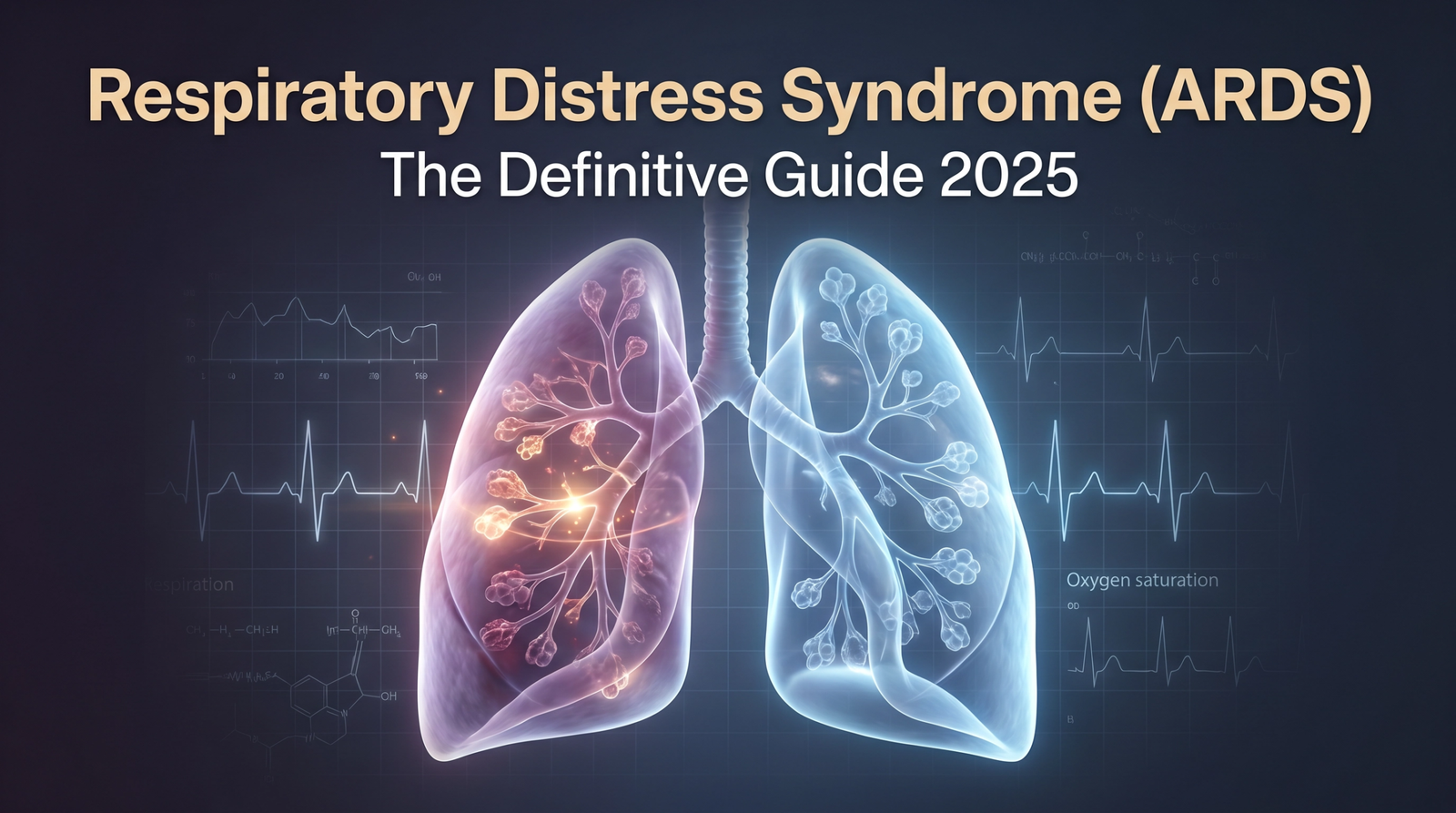
Acute Respiratory Distress Syndrome (ARDS): The Definitive Guide
A comprehensive, expert-reviewed resource covering everything from Berlin criteria and lung-protective ventilation to long-term recovery and quality of life after critical illness
What Is Acute Respiratory Distress Syndrome?
Acute Respiratory Distress Syndrome (commonly abbreviated as ARDS) represents one of the most formidable challenges in modern critical care medicine. This life-threatening pulmonary condition develops when the lungs sustain widespread inflammatory damage, causing fluid to leak into the microscopic air sacs responsible for oxygen exchange. The result is profound oxygen starvation that deprives vital organs of the fuel they need to function.
Unlike chronic respiratory diseases that develop gradually, ARDS strikes rapidly, typically within hours to days of a triggering event such as severe infection, trauma, or inhalation injury. Patients who develop this syndrome are usually already hospitalized for another serious condition, making ARDS a devastating secondary complication rather than a primary diagnosis.
The condition carries significant mortality. Contemporary studies indicate that between 35% and 46% of patients do not survive hospitalization despite aggressive intervention. However, 1-year mortality is higher, approximately 45-55%, with most deaths occurring within the first 6 months after critical illness. Survival rates have improved considerably since the landmark ARDSNet trial established lung-protective ventilation as the standard of care in the early 2000s.
ARDS is not a single disease but rather a syndrome — a collection of signs and symptoms that occur together — triggered by diverse underlying insults. Understanding what caused the ARDS is often as important as treating the lung dysfunction itself.
The Berlin Definition: How Doctors Diagnose ARDS
In 2012, an expert panel convened in Berlin replaced the older American-European Consensus Conference (AECC) criteria with what is now universally known as the Berlin Definition of ARDS. This framework refined diagnostic standards and introduced severity stratification that has proven invaluable for both clinical management and research.
The Berlin criteria require four essential components, all of which must be present to establish the diagnosis:
| Criterion | Requirement | Clinical Significance |
|---|---|---|
| Timing | Respiratory failure within 1 week of a known clinical insult or new/worsening respiratory symptoms | Ensures the condition is truly acute rather than chronic |
| Chest Imaging | Bilateral opacities on chest radiograph or CT scan not fully explained by effusion, lobar collapse, or nodules | Differentiates ARDS from focal pneumonia or atelectasis |
| Origin of Edema | Respiratory failure not fully explained by cardiac failure or fluid overload; objective assessment needed if no risk factor present | Excludes cardiogenic pulmonary edema as primary cause |
| Oxygenation | PaO2/FiO2 ratio <300 mmHg on at least PEEP 5 cmH2O or CPAP 5 cmH2O | Quantifies hypoxemia severity and stratifies risk |
Severity Stratification Based on PaO2/FiO2 Ratio
The PaO2/FiO2 ratio (also called the P/F ratio) serves as the cornerstone for classifying ARDS severity. This calculation divides the partial pressure of arterial oxygen by the fraction of inspired oxygen, providing a standardized measure of how efficiently oxygen moves from the lungs into the bloodstream.
| Severity Category | PaO2/FiO2 Ratio | Hospital Mortality Range |
|---|---|---|
| Mild ARDS | 200 – 300 mmHg | Approximately 24-30% |
| Moderate ARDS | 100 – 200 mmHg | Approximately 32-40% |
| Severe ARDS | ≤100 mmHg | Approximately 45-55% |
A 2021 update proposed by a global panel of 32 experts expanded the Berlin definition to include high-flow nasal cannula (HFNC) as a qualifying oxygen delivery method, pulse oximetry-based ratios (SpO2/FiO2) when arterial blood gas measurement is unavailable, and lung ultrasound as an acceptable imaging alternative. These modifications were particularly valuable during the COVID-19 pandemic when resource limitations demanded diagnostic flexibility.
What Causes ARDS? Understanding the Triggers
The path to ARDS begins with either a direct insult to lung tissue or an indirect systemic inflammatory response that secondarily damages pulmonary structures. Recognizing these triggers is essential because treatment of the underlying cause remains as important as respiratory support.
Direct Lung Injury (Pulmonary Causes)
These conditions directly damage the alveolar-capillary interface:
- Severe Pneumonia — Bacterial, viral, or fungal infections that extensively involve lung parenchyma represent the single most common direct trigger. The COVID-19 pandemic dramatically illustrated how viral pneumonia can precipitate widespread acute lung injury.
- Aspiration of Gastric Contents — When stomach contents (particularly acidic material) enter the airways, chemical pneumonitis triggers intense local inflammation. This commonly occurs in patients with impaired consciousness, swallowing dysfunction, or following vomiting while supine.
- Pulmonary Contusion — Blunt chest trauma causes hemorrhage and edema within lung tissue without laceration, creating a direct physical insult.
- Near-Drowning — Aspiration of fresh or salt water damages surfactant function and introduces particulate matter into alveoli.
- Inhalation Injury — Smoke, chemical fumes, or toxic gases (chlorine, ammonia, phosgene) directly burn and inflame airway and alveolar epithelium.
- Fat Embolism — Long bone fractures release fat droplets that lodge in pulmonary capillaries, triggering local inflammation.
Indirect Lung Injury (Systemic Causes)
These extra-pulmonary conditions generate systemic inflammatory cascades that ultimately injure the lungs:
- Sepsis — The body’s overwhelming, dysregulated response to infection sends inflammatory mediators coursing through the bloodstream. Sepsis accounts for approximately 40-50% of all ARDS cases, making it the predominant trigger overall.
- Severe Trauma — Multiple injuries, particularly with hemorrhagic shock, activate systemic inflammation and predispose to transfusion-associated lung injury.
- Acute Pancreatitis — Inflammation of the pancreas releases digestive enzymes and inflammatory cytokines into circulation.
- Massive Blood Transfusion — Transfusion-related acute lung injury (TRALI) occurs when donor antibodies or biologically active lipids in blood products trigger neutrophil-mediated pulmonary damage.
- Drug Overdose — Aspirin toxicity, tricyclic antidepressants, bleomycin, and illicit substances like cocaine can precipitate acute lung injury.
- Burns — Extensive thermal injury generates massive systemic inflammatory responses.
Not everyone exposed to these triggers develops ARDS. Research has identified several factors that increase vulnerability: advanced age (over 65), female sex, chronic alcohol use, active cigarette smoking, pre-existing lung disease, metabolic syndrome, immunocompromise, and genetic polymorphisms affecting inflammatory responses.
Recognizing ARDS: Symptoms and Warning Signs
The clinical presentation of ARDS evolves rapidly. Understanding the symptom timeline helps families recognize deterioration and healthcare providers intervene promptly.
Early Manifestations (Hours 0-24)
Patients typically appear uncomfortable with noticeably increased work of breathing. They may report feeling unable to get enough air despite breathing faster than usual. Heart rate rises as the cardiovascular system attempts to compensate for falling oxygen levels. Blood pressure may drop if sepsis is the underlying trigger.
Established Phase (Days 1-7)
As alveolar flooding progresses, symptoms intensify dramatically:
| Symptom | Description | Why It Occurs |
|---|---|---|
| Severe Dyspnea | Profound shortness of breath; inability to speak in full sentences | Fluid-filled alveoli cannot transfer oxygen effectively |
| Tachypnea | Respiratory rate >24 breaths per minute (often much higher) | Compensatory attempt to maintain adequate minute ventilation |
| Cyanosis | Bluish discoloration of lips, fingertips, and earlobes | Deoxygenated hemoglobin concentration exceeds 5g/dL |
| Tachycardia | Heart rate >100 beats per minute | Cardiac compensation for hypoxemia and acidosis |
| Confusion & Lethargy | Altered mental status, drowsiness, difficulty concentrating | Brain oxygen deprivation and hypercapnia |
| Diaphoresis | Profuse sweating | Sympathetic stress response to respiratory distress |
| Chest Discomfort | Pressure or tightness unrelated to cardiac ischemia | Inflamed pleura and respiratory muscle fatigue |
Call emergency services (911 in the US, 999 in the UK) if someone experiences: inability to speak due to breathlessness, gasping or choking, lips or face turning blue, confusion or loss of consciousness, or severe chest pain accompanied by breathing difficulty. ARDS requires intensive care-level treatment and cannot be managed at home.
ARS Symptom Assessment Tool
Select all symptoms present. This tool provides educational guidance only and does not replace professional medical evaluation.
Disclaimer: This assessment is for educational purposes only. A high score does not confirm ARDS diagnosis — only a physician can diagnose this condition through clinical examination, imaging, and laboratory testing.
How ARDS Develops: The Pathophysiology
Understanding what happens inside the lungs during ARDS illuminates why treatment strategies work and why recovery can be prolonged.
The Alveolar-Capillary Barrier
Healthy lungs contain approximately 300 million alveoli — tiny, thin-walled air sacs surrounded by a dense mesh of capillaries. This alveolar-capillary membrane, barely 0.5 micrometers thick in places, serves as the critical interface where oxygen enters the bloodstream and carbon dioxide exits. Two cell types maintain this barrier: type I pneumocytes (thin, structural cells enabling gas exchange) and type II pneumocytes (which produce surfactant, the detergent-like substance preventing alveolar collapse).
The Inflammatory Cascade
When a triggering insult occurs, neutrophils and macrophages rush to the lungs, releasing a torrent of inflammatory mediators including tumor necrosis factor-alpha (TNF-alpha), interleukin-1, interleukin-6, and interleukin-8. These substances:
- Damage the capillary endothelium — Blood vessels become leaky, allowing protein-rich fluid to seep into alveolar spaces.
- Injure type I pneumocytes — The thin gas-exchange cells die, creating gaps in the alveolar wall.
- Impair surfactant production — Type II cell dysfunction reduces surfactant, causing alveoli to collapse under surface tension forces.
- Form hyaline membranes — Protein and cellular debris coat alveolar surfaces, creating glassy barriers that further impede oxygen transfer.
- Activate coagulation cascades — Microthrombi form in pulmonary capillaries, shunting blood away from functional lung units.
Three Pathologic Phases
The lung pathology evolves through distinct stages, though these overlap considerably in clinical practice:
| Phase | Timing | Key Features | Clinical Correlation |
|---|---|---|---|
| Exudative | Days 0-7 | Alveolar edema, hyaline membranes, neutrophilic infiltration, epithelial necrosis | Rapid onset of severe hypoxemia; most patients require mechanical ventilation |
| Proliferative | Days 7-21 | Type II cell hyperplasia, fibroblast recruitment, early collagen deposition, organizing pneumonia pattern | Gradual oxygenation improvement; ventilator weaning attempts begin |
| Fibrotic | Weeks 3+ | Dense fibrosis, honeycomb changes, vascular remodeling (in some patients) | Variable outcomes; some patients develop chronic respiratory impairment |
Notably, not all patients progress through all three phases. With prompt, appropriate treatment, many arrest at the exudative phase and recover without significant fibrosis. The factors determining who develops progressive fibrosis remain an active area of research.
How Doctors Diagnose ARDS
Diagnosing ARDS requires a systematic approach that confirms the syndrome while identifying its underlying trigger and excluding mimicking conditions.
Essential Diagnostic Tests
- Arterial Blood Gas (ABG) Analysis — The gold standard test directly measures PaO2, PaCO2, and pH, enabling precise P/F ratio calculation. Most ARDS patients demonstrate respiratory alkalosis initially (low PaCO2 due to hyperventilation) that may progress to respiratory acidosis as muscle fatigue sets in.
- Chest Radiography (X-ray) — Characteristic bilateral, diffuse opacities resembling whiteout or ground-glass patterns replace normal dark lung fields. These findings must involve both lungs and cannot be explained by simple effusion or lobar collapse.
- Chest CT Scan — When available, CT reveals the true extent of lung involvement with greater sensitivity than plain radiography. Typical findings include dependent consolidation, ground-glass attenuation, and architectural distortion. CT also helps identify pneumothorax, effusions, and underlying lung disease.
- Echocardiography — Essential for excluding cardiogenic pulmonary edema. An ejection fraction below 40% or elevated left atrial pressure suggests heart failure rather than ARDS as the primary diagnosis.
- Complete Blood Count and Chemistry Panel — Identifies infection (elevated white cells), organ dysfunction (renal and liver markers), and electrolyte disturbances.
- Microbiologic Studies — Blood cultures, sputum cultures, and respiratory viral PCR panels help identify infectious triggers and guide antimicrobial therapy.
- BNP or NT-proBNP — Elevated levels suggest cardiac contribution to pulmonary edema, though levels can rise nonspecifically in critical illness.
Differential Diagnosis: Conditions That Mimic ARDS
| Condition | Key Distinguishing Features | Diagnostic Test |
|---|---|---|
| Cardiogenic Pulmonary Edema | Elevated wedge pressure, responds to diuretics, BNP >500 pg/mL | Echocardiography, BNP |
| Diffuse Alveolar Hemorrhage | Hemoptysis, falling hemoglobin, autoimmune serologies | Bronchoscopy, ANCA/anti-GBM antibodies |
| Acute Interstitial Pneumonia | Idiopathic, slower onset (weeks), no identifiable trigger | Lung biopsy, exclusion |
| Pneumocystis Pneumonia (PCP) | Immunocompromised host, ground-glass opacities, LDH elevated | Bronchoalveolar lavage, beta-D-glucan |
| Acute Eosinophilic Pneumonia | Eosinophils in BAL (>25%), peripheral eosinophilia | Bronchoalveolar lavage |
Treating ARDS: Evidence-Based Management
ARDS management follows a structured, protocol-driven approach anchored in decades of clinical trial evidence. Treatment occurs exclusively in intensive care units with specialized monitoring and multidisciplinary teams.
General Supportive Measures
All patients require:
- Hemodynamic support — Vasopressors (norepinephrine, vasopressin) maintain mean arterial pressure above 65 mmHg when sepsis causes hypotension.
- Conservative fluid strategy — Once hemodynamically stable, minimizing fluid administration reduces pulmonary edema. The FACTT trial demonstrated that a conservative approach improved oxygenation and shortened ventilator days without harming kidneys.
- Nutritional support — Enteral feeding (through nasogastric or post-pyloric tubes) begins within 48 hours. Omega-3 fatty acid and antioxidant-enriched formulas showed promise in early studies but subsequent trials yielded inconsistent results.
- DVT prophylaxis — Compression devices and anticoagulants prevent deep vein thrombosis in immobilized patients.
- Stress ulcer prophylaxis — Acid-suppressing medications protect against gastrointestinal bleeding.
- Glycemic control — Maintaining blood glucose between 140-180 mg/dL balances infection risk against hypoglycemia danger.
Mechanical Ventilation: The Cornerstone of Treatment
Since the landmark ARDSNet study published in the New England Journal of Medicine in 2000, lung-protective ventilation has remained the foundational treatment strategy. This approach intentionally accepts less-than-perfect blood gases to prevent additional mechanical injury to already-damaged lungs.
| Parameter | Lung-Protective Target | Rationale |
|---|---|---|
| Tidal Volume | 4-8 mL/kg predicted body weight (ideal: 6 mL/kg) | Prevents alveolar overdistension (volutrauma) |
| Plateau Pressure | ≤30 cmH2O | Limits barotrauma and stress on alveolar walls |
| PEEP | 5-15 cmH2O (higher in moderate-severe) | Recruits collapsed alveoli, prevents cyclic opening/closing |
| Driving Pressure | ≤15 cmH2O (plateau – PEEP) | Lower driving pressure correlates with improved survival |
| FiO2 | Lowest level maintaining SpO2 88-95% or PaO2 55-80 mmHg | Minimizes oxygen toxicity |
| Respiratory Rate | 20-35 breaths/minute (with permissive hypercapnia) | Maintains minute ventilation despite low tidal volumes |
Adjunctive Ventilation Strategies
When standard lung-protective ventilation proves insufficient:
Prone Positioning
Turning patients onto their stomachs for 16 consecutive hours daily redistributes ventilation to dorsal lung regions, improves secretion drainage, and reduces ventilator-induced lung injury. The PROSEVA trial demonstrated a remarkable mortality reduction from 32.8% to 16% in severe ARDS patients proned within 36 hours of meeting criteria. Prone positioning is now standard of care for PaO2/FiO2 ratios below 150 mmHg.
Neuromuscular Blockade
Short-term paralytic agents (cisatracurium) eliminate patient-ventilator dyssynchrony, reduce oxygen consumption, and facilitate complete lung recruitment. The ACURASYS trial showed improved survival when used for 48 hours in early severe ARDS, though subsequent studies have questioned this benefit when lung-protective ventilation is meticulously applied.
ECMO (Extracorporeal Membrane Oxygenation)
For patients with refractory hypoxemia despite optimal conventional management, ECMO provides temporary gas exchange outside the body. Blood is circulated through an artificial membrane that adds oxygen and removes CO2, allowing the lungs to rest. The CESAR trial suggested benefit when ECMO was provided at experienced centers, while the EOLIA trial showed a strong trend toward improved survival that did not reach statistical significance. Current guidelines recommend considering ECMO as rescue therapy at specialized centers.
Inhaled Vasodilators
Inhaled nitric oxide and inhaled epoprostenol preferentially vasodilate ventilated lung regions, improving ventilation-perfusion matching. While these agents transiently improve oxygenation, neither has demonstrated mortality benefit, and their use is generally reserved for rescue situations or as a bridge to ECMO.
Pharmacologic Therapy
- Corticosteroids — Dexamethasone (or methylprednisolone) initiated within 14 days of ARDS onset may reduce inflammation, shorten ventilator duration, and improve survival. However, steroids appear harmful in influenza-related ARDS and when started after 2 weeks of mechanical ventilation.
- Antibiotics — Broad-spectrum coverage for suspected or confirmed infection, narrowed once cultures return.
- Diuretics — Furosemide aids fluid removal once hemodynamic stability is achieved.
- Sedation — Propofol or dexmedetomidine provide anxiolysis and ventilator synchrony with daily interruption protocols to assess readiness for weaning.
Potential Complications During Hospitalization
ARDS patients face numerous hazards beyond the primary lung injury. Vigilant prevention and early detection of these complications significantly impact outcomes.
| Complication | Mechanism | Prevention Strategy |
|---|---|---|
| Ventilator-Associated Pneumonia (VAP) | Bacterial colonization of endotracheal tube; microaspiration around cuff | Oral chlorhexidine care, subglottic suctioning, head-of-bed elevation, daily sedation interruption |
| Barotrauma / Pneumothorax | High ventilator pressures rupture alveoli, allowing air to leak into pleural space | Strict adherence to plateau pressure limits, careful PEEP titration |
| Pulmonary Embolism | Immobility promotes deep vein thrombosis; clots migrate to lungs | Sequential compression devices, pharmacologic DVT prophylaxis, early mobilization |
| ICU-Acquired Weakness | Critical illness myopathy and polyneuropathy from inflammation and immobility | Early physical therapy, minimizing neuromuscular blockade, adequate nutrition |
| Acute Kidney Injury | Hypoperfusion, nephrotoxic medications, sepsis | Hemodynamic optimization, avoidance of nephrotoxins, renal replacement therapy when needed |
| Delirium | Multi-factorial: sedation, sleep disruption, metabolic disturbances | ABCDEF bundle (Awakening, Breathing coordination, Choice of sedation, Delirium monitoring, Early mobility, Family engagement) |
| Gastrointestinal Bleeding | Stress ulceration from critical illness | Stress ulcer prophylaxis, early enteral nutrition |
Prognosis and Survival: What the Evidence Shows
Prognostic discussions with families require nuance, as outcomes depend on multiple interacting factors.
Overall Mortality Trends
ARDS mortality has declined significantly over the past two decades, falling from approximately 60% in the 1990s to hospital mortality of 35-46% in recent cohorts. However, 1-year mortality is higher, approximately 45-55%, with most deaths occurring within the first 6 months after critical illness. This improvement largely reflects widespread adoption of lung-protective ventilation, better sepsis management, and standardized ICU protocols. Mortality varies substantially by severity:
- Mild ARDS: ~24-30% hospital mortality
- Moderate ARDS: ~32-40% hospital mortality
- Severe ARDS: ~45-55% hospital mortality
Factors Influencing Survival
| Favorable Prognostic Factors | Unfavorable Prognostic Factors |
|---|---|
| Younger age (<50 years) | Advanced age (>75 years) |
| Direct lung injury (pneumonia, aspiration) | Indirect lung injury (sepsis, pancreatitis) |
| Normal body mass index | Obesity (BMI >35) |
| Good pre-morbid functional status | Pre-existing chronic organ disease |
| Single organ failure | Multiple organ dysfunction (MODS) |
| Response to initial PEEP recruitment | Refractory hypoxemia despite optimal management |
| Early prone positioning | Delayed recognition or treatment |
Validated Scoring Systems
Several scoring systems help estimate prognosis:
- APACHE II (Acute Physiology and Chronic Health Evaluation) — Assesses severity based on 12 physiologic variables, age, and chronic health conditions. Scores above 25 predict higher mortality.
- SOFA Score (Sequential Organ Failure Assessment) — Tracks dysfunction across respiratory, cardiovascular, hepatic, coagulation, renal, and neurologic systems. Rising SOFA scores during the first 48 hours predict worse outcomes.
- Murray Lung Injury Score — Specifically evaluates pulmonary involvement using chest x-ray findings, PEEP level, compliance, and P/F ratio.
Life After ARDS: Recovery, Rehabilitation, and Quality of Life
Surviving the ICU marks only the beginning of the recovery journey. The post-ARDS experience encompasses physical, cognitive, and psychological dimensions that can persist for months to years.
Physical Recovery Timeline
Most survivors demonstrate gradual lung function improvement over 6 to 12 months, though the trajectory varies considerably. Spirometry typically shows restrictive patterns early in recovery that gradually normalize. Diffusing capacity for carbon monoxide (DLCO), which measures gas transfer efficiency, recovers more slowly and may remain impaired long-term in patients who developed pulmonary fibrosis.
Muscle weakness represents another major hurdle. ICU-acquired weakness affects up to 50% of ARDS survivors, manifesting as profound deconditioning, difficulty with ambulation, and impaired activities of daily living. Structured physical rehabilitation beginning in the ICU and continuing through outpatient programs substantially improves functional outcomes.
Post-Intensive Care Syndrome (PICS)
An estimated 30-50% of ARDS survivors experience Post-Intensive Care Syndrome, a constellation of impairments encompassing:
- Cognitive dysfunction — Memory deficits, impaired executive function, reduced processing speed. These likely result from hypoxemia, hypotension, sedative medications, and inflammatory mediators crossing the blood-brain barrier.
- Psychiatric sequelae — Depression affects 30% of survivors, anxiety 25-30%, and post-traumatic stress disorder 15-25%. Many patients experience intrusive memories of frightening ICU experiences.
- Physical deconditioning — Persistent fatigue, muscle wasting, joint contractures, and reduced exercise tolerance.
The ARDS Survivor Experience
Qualitative research reveals that survivors often describe their recovery as a “new normal” rather than a return to pre-illness baseline. Common themes include:
- Frustration with the pace of recovery
- Anxiety about breathing and future health
- Changed life priorities and perspectives
- Strained family dynamics due to caregiving needs
- Financial stress from medical bills and lost income
Rehabilitation Strategies That Help
Evidence supports several interventions:
- Pulmonary rehabilitation — Supervised exercise training, breathing exercises, and education improve exercise capacity and reduce dyspnea.
- Cognitive rehabilitation — Computer-based training, compensatory strategies, and occupational therapy address memory and attention deficits.
- Psychological support — Cognitive behavioral therapy, ICU diaries (written by staff/families during hospitalization), and peer support groups help process trauma.
- Nutritional optimization — Addressing protein-energy malnutrition supports muscle repletion and immune recovery.
- Sleep hygiene — ICU-acquired sleep disruption often persists; structured sleep schedules and treating obstructive sleep apnea help.
Research from the ARDS Network Long-Term Outcomes Study demonstrates that while quality of life remains below population norms at one year, continued improvement occurs through year five. Many survivors eventually return to work and meaningful activities, particularly those who engage actively in rehabilitation programs.
Special Population: Pediatric ARDS (PARDS)
Children can develop ARDS, but diagnosis and management differ from adults. The Pediatric Acute Lung Injury Consensus Conference (PALICC) published standardized criteria in 2015 to address these differences.
Key Differences in Pediatric ARDS
| Feature | Adult ARDS (Berlin) | Pediatric ARDS (PALICC) |
|---|---|---|
| Oxygenation Metric | PaO2/FiO2 ratio | Oxygenation Index (OI) or SpO2/FiO2 ratio (OSI) |
| Imaging Requirement | Bilateral opacities | Acute onset, bilateral infiltrates |
| Severity Definition (OI) | N/A | Mild: OI 4-8; Moderate: OI 8-16; Severe: OI ≥16 |
| Non-Invasive Ventilation | Included with PEEP ≥5 | Explicit criteria for NIV use |
PARDS management follows similar lung-protective principles but with lower tidal volumes relative to body weight and careful attention to developmental considerations. Outcomes in children are generally better than adults, with mortality rates of 15-30% depending on severity.
Risk Reduction: Can ARDS Be Prevented?
No strategy guarantees ARDS prevention, but evidence supports several approaches that reduce risk in susceptible individuals.
Primary Prevention
- Vaccination — Influenza and pneumococcal vaccines reduce the incidence of severe pneumonia, a leading ARDS trigger. COVID-19 vaccination similarly prevents severe respiratory disease.
- Smoking cessation — Active smoking increases ARDS risk approximately twofold. Quitting before elective surgery or during high-risk periods provides measurable protection.
- Alcohol moderation — Chronic heavy drinking predisposes to ARDS through glutathione depletion and immune dysfunction. Alcohol cessation programs should be offered proactively.
- Aspiration precautions — Elevating the head of bed 30-45 degrees in hospitalized patients, using enteral feeding protocols, and managing swallowing dysfunction reduce aspiration events.
- Lung-protective ventilation in at-risk patients — Using low tidal volumes during surgery and in ventilated patients without ARDS may prevent progression to full syndrome.
Secondary Prevention (Preventing Progression)
Once a patient is identified as high-risk for ARDS:
- Early sepsis recognition and treatment — Hour-1 bundle compliance (blood cultures, broad-spectrum antibiotics, fluid resuscitation, vasopressors if needed) dramatically improves outcomes.
- Conservative transfusion strategies — Restricting red blood cell transfusion to hemoglobin below 7 g/dL (or 8 g/dL in cardiac disease) reduces TRALI risk.
- Fluid management optimization — Avoiding excessive fluid administration in critically ill patients reduces hydrostatic pulmonary edema.
Frequently Asked Questions About ARDS
What is the difference between ARDS and acute lung injury (ALI)?
The 1994 AECC definition distinguished ALI (PaO2/FiO2 <300) from ARDS (PaO2/FiO2 <200). The 2012 Berlin Definition eliminated the ALI terminology entirely, classifying everything as ARDS with mild, moderate, and severe categories. You may still encounter “ALI” in older literature.
Can children get ARDS?
Yes. Pediatric ARDS (PARDS) follows similar principles but uses the oxygenation index (OI) rather than P/F ratio for severity classification because obtaining arterial access in children is more challenging. The PALICC criteria (2015) provide standardized pediatric definitions. See the Pediatric ARDS section above.
How long do patients stay on ventilators with ARDS?
Ventilator duration varies widely depending on severity, underlying cause, and complications. Typical ranges are 7-14 days for moderate cases and 2-4 weeks for severe cases requiring proning or ECMO. Some patients require tracheostomy and prolonged weaning.
What does ECMO feel like?
Patients on ECMO are heavily sedated or even paralyzed initially. As they improve, light sedation allows awareness, though the endotracheal tube prevents speaking. The cannulation sites (usually neck or groin) cause discomfort managed with analgesics. Most patients have no memory of ECMO due to sedation.
Can ARDS cause permanent lung damage?
Some survivors develop persistent restrictive physiology and reduced diffusing capacity, particularly those who progressed through the fibrotic phase. However, most recovery occurs within the first year, and many patients return to near-normal lung function. Pulmonary rehabilitation accelerates and optimizes recovery.
Why do some ARDS patients need to be paralyzed?
Neuromuscular blockade prevents patient-ventilator dyssynchrony — when a patient’s breathing efforts conflict with the ventilator’s timing. Dyssynchrony causes excessive lung stress and impairs gas exchange. Short-term paralysis (48 hours) may improve outcomes in severe ARDS.
What is “proning” and why does it help?
Proning means turning patients onto their stomachs. This redistributes blood flow to better-ventilated lung regions, improves secretion drainage, and reduces the weight of the heart and mediastinum on the lungs. When performed for 16+ hours daily in severe ARDS, proning approximately doubles survival.
Is ARDS contagious?
No. ARDS itself is a syndrome, not an infectious disease. However, the underlying trigger (pneumonia, COVID-19, influenza) may be contagious. Standard infection control precautions apply based on the causative pathogen.
What should families expect during an ARDS ICU stay?
Expect a roller-coaster course with good days and setbacks. Patients will appear very ill, often swollen from fluid, and heavily sedated. Multiple tubes and monitors will surround them. The ICU team will update regularly. Family presence, even when the patient seems unresponsive, provides comfort and aids orientation.
Are there any promising experimental treatments?
Several investigational therapies show promise: mesenchymal stem cell therapy, keratinocyte growth factor, angiotensin-converting enzyme 2 (ACE2) augmentation, and targeted anti-inflammatory agents. However, none have yet demonstrated sufficient efficacy to achieve regulatory approval. ECMO technology continues advancing with more compact, ambulatory systems.
Summary: Key Takeaways
- ARDS is a life-threatening syndrome of widespread lung inflammation causing oxygenation failure, not a single disease entity.
- The Berlin Definition provides standardized diagnostic criteria using timing, bilateral infiltrates, non-cardiogenic origin, and P/F ratio on PEEP ≥5 cmH2O.
- Sepsis and pneumonia together account for the majority of cases.
- Lung-protective ventilation (6 mL/kg PBW, plateau pressure ≤30) remains the most impactful intervention, reducing mortality by approximately 25%.
- Prone positioning in severe ARDS approximately doubles survival when applied early.
- Recovery is a months-to-years process involving physical, cognitive, and psychological rehabilitation through structured programs.
- Despite significant hospital mortality (35-46%), most patients who survive the hospital stay leave, and many eventually return to meaningful life activities. One-year mortality is higher (45-55%), with most deaths occurring within 6 months.
This guide represents a synthesis of current evidence-based practice for ARDS. Medical knowledge evolves continuously, and treatment decisions should always involve consultation with qualified critical care specialists. If you or a loved one faces this challenging condition, know that dedicated professionals across multiple disciplines stand ready to provide the best possible care.
The content provided in this guide is for educational and informational purposes only and does not constitute medical advice, diagnosis, or treatment. Always seek the advice of your physician or other qualified health provider with any questions you may have regarding a medical condition. Never disregard professional medical advice or delay in seeking it because of something you have read on this website. If you think you may have a medical emergency, call your doctor or emergency services immediately. Reliance on any information provided herein is solely at your own risk.
References and Sources
Content developed through comprehensive review of: The Berlin Definition of ARDS (JAMA 2012); ARDSNet Mechanical Ventilation Protocol (NEJM 2000); PROSEVA Trial (NEJM 2013); FACTT Trial (NEJM 2006); EOLIA Trial (NEJM 2018); CESAR Trial (Lancet 2009); PALICC Pediatric ARDS Criteria (2015); ARDS Long-Term Outcomes Research; NHLBI ARDS Clinical Network Guidelines; Surviving Sepsis Campaign; and ongoing updates from the Faculty of Intensive Care Medicine, National Health Service, Mayo Clinic, NCBI StatPearls, and Faculty of Intensive Care Medicine educational resources.
Leave a Reply