Quick Answer
Chronic lung disease creates a self-reinforcing cycle where breathing difficulty causes anxiety, anxiety worsens breathlessness, and the resulting sleep deprivation impairs respiratory recovery. Breaking this cycle requires a systematic journey through five stages: assessment (understanding your specific sleep-breathing profile), stabilization (creating a lung-friendly sleep environment and optimizing medications), skill acquisition (learning evidence-based breathing techniques), integration (establishing consistent pre-sleep breathwork routines), and maintenance (sustaining practices for long-term benefit). Structured programs like Click here to learn more about BreatheAndSleep.org → guide respiratory patients through this journey with targeted protocols designed specifically for those whose insomnia is driven by chronic breathing difficulties rather than primary sleep disorders.
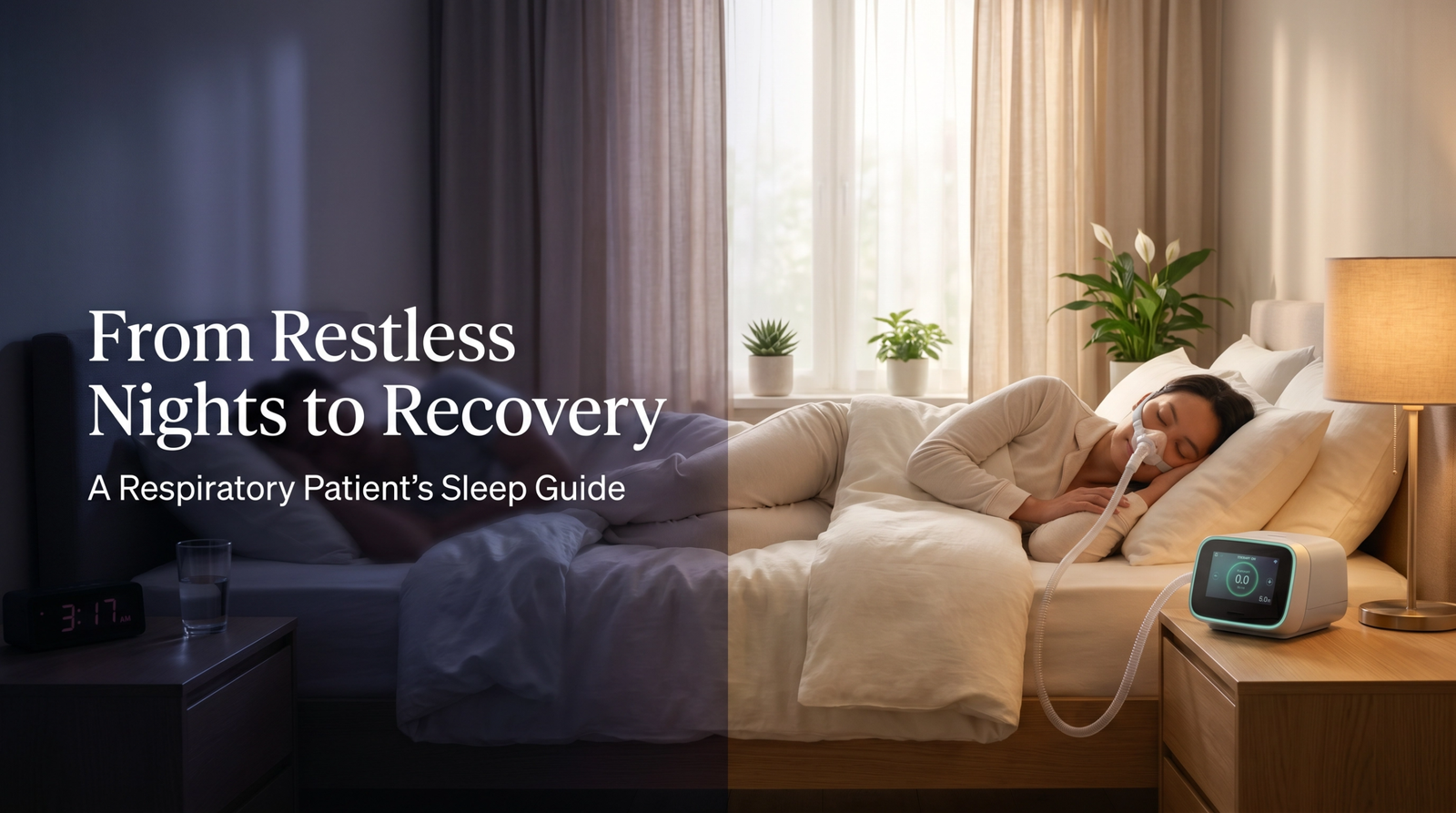
From Restless Nights to Recovery: A Respiratory Patient’s Sleep Guide
This is not just another article about sleep hygiene. This is a roadmap for the millions of people living with chronic lung disease who have discovered, often painfully, that standard sleep advice fails them. Telling a COPD patient to “avoid caffeine after 2 PM” or “keep a consistent bedtime” is not wrong, but it is painfully incomplete when the fundamental barrier to sleep is the act of breathing itself.
This guide follows the journey that thousands of respiratory patients have taken from fragmented, fearful nights to genuinely restorative sleep. It is organized into five stages, each building on the last, because recovering sleep in the context of chronic lung disease is not a single intervention but a process of systematic transformation.
Stage 1: Assessment — Understanding Your Unique Sleep-Breathing Profile
Before any intervention can be effective, you must understand what you are treating. Sleep complaints in chronic lung disease are not monolithic. The patient whose insomnia is driven primarily by nocturnal hypoxemia requires a different approach than the patient whose primary barrier is anxiety-induced hyperventilation.
Begin by asking yourself these questions:
- Do I have trouble falling asleep, staying asleep, or both?
- Is my primary symptom breathlessness, cough, anxiety, or a combination?
- Do I wake with morning headaches, dry mouth, or chest tightness?
- Has a bed partner witnessed snoring, gasping, or breathing pauses?
- How many times do I use the bathroom during the night?
- Do I feel more breathless lying flat than when sitting upright?
- What medications am I taking, and when do I take them relative to bedtime?
- How would I rate my anxiety about sleep on a scale of 0-10?
Keep a sleep diary for two weeks, recording bedtime, wake time, estimated sleep latency, nighttime awakenings, morning symptoms, daytime energy, and medication use. This simple tool provides invaluable information for both you and your healthcare provider.
Request baseline evaluation from your physician. At minimum, overnight pulse oximetry screens for nocturnal desaturation. If symptoms suggest obstructive sleep apnea, request referral for polysomnography. If anxiety or depression are prominent, formal psychological screening may guide additional interventions.
Assessment also means understanding your disease. What is your current FEV1? Do you have emphysema-predominant or chronic bronchitis-predominant disease? Are you on long-term oxygen? Do you retain CO2? Each of these factors influences which sleep strategies are most appropriate and which require additional caution.
Stage 2: Stabilization — Creating the Foundation for Rest
Before introducing new techniques, optimize what you can control. Stabilization addresses the environmental, pharmacological, and physiological factors that independently disrupt sleep.
Environmental Optimization
Position: If you sleep flat, change this immediately. Elevate the head of your bed 30-45 degrees using blocks, wedges, or an adjustable bed. Side-sleeping reduces snoring and may improve ventilation-perfusion matching. Experiment with pillow configurations that support side-sleeping without straining your neck or compressing your chest.
Air quality: Bedroom humidity should be 40-50%. Higher humidity promotes dust mites and mold; lower humidity dries airway mucosa. Consider a HEPA air purifier if allergies trigger your respiratory symptoms. Keep pets out of the bedroom if dander is a trigger.
Temperature: Slightly cool (65-68 degrees Fahrenheit) promotes sleep onset. Overheating increases respiratory rate and may trigger breathlessness.
Medication Optimization
Schedule a medication review with your physician focused specifically on sleep impact. Discuss:
- Timing of long-acting bronchodilators to maximize overnight coverage
- Whether evening dosing might be preferable for once-daily medications
- Strategies to minimize oral corticosteroid exposure
- Alternative formulations if current medications cause excessive stimulation
- Treatment of comorbid conditions (reflux, allergies, congestive heart failure) that disrupt sleep
Airway Clearance Timing
Complete your airway clearance routine 30-60 minutes before bed. Huff coughing, oscillating PEP devices, or autogenic drainage should be finished in time for any post-clearance bronchospasm to settle, but close enough to bedtime that airways remain clear through the sleep onset period.
Liquid and Reflux Management
Minimize fluid intake after 7 PM to reduce nocturia. Avoid eating within three hours of bedtime to prevent reflux, which can trigger cough and bronchospasm. If you have documented GERD, ensure it is adequately treated; nocturnal aspiration of gastric contents is a well-documented trigger for respiratory deterioration.
Stage 3: Skill Acquisition — Learning the Breathing Techniques That Transform Sleep
This is where transformation begins. The breathing techniques that improve sleep in respiratory patients are not generic relaxation exercises. They are specific, evidence-based practices targeting the neuromuscular and autonomic dysfunctions that connect lung disease to insomnia.
Technique 1: Diaphragmatic Breathing Restoration
Most COPD patients have shifted from diaphragmatic to accessory muscle-dominated breathing, particularly those with emphysema whose flattened diaphragms have lost mechanical advantage. Relearning diaphragmatic breathing is foundational.
Lie with your knees bent and one hand on your chest, one on your abdomen. Breathe slowly through your nose, focusing on expanding your abdomen while keeping your chest relatively still. Exhale slowly through pursed lips, feeling your abdomen gently contract. Begin with 5-minute sessions twice daily, gradually extending to 10-15 minutes.
This is not merely relaxation. It is mechanical rehabilitation. Each session retrains the diaphragm, reduces the work of breathing, and conditions the neuromuscular pathways that will eventually operate during sleep.
Technique 2: Pursed-Lip Breathing with Extended Exhalation
The 2:1 exhale-to-inhale ratio is particularly valuable for COPD patients. Inhale quietly through your nose for a count of 3, then exhale gently through pursed lips for a count of 6. The prolonged expiration reduces dynamic hyperinflation, preventing the air trapping that produces breathlessness and sleep disruption.
Practice this technique during any activity that triggers dyspnea, and incorporate it into your pre-sleep routine. The goal is not merely to use it consciously but to establish it as your default breathing pattern, including during the sleep transition.
Technique 3: Resonant (Coherent) Breathing
Breathing at approximately 5-6 breaths per minute creates resonance between respiratory, cardiovascular, and autonomic rhythms. This rate maximizes heart rate variability and shifts autonomic balance toward parasympathetic dominance.
For respiratory patients, this autonomic shift has dual benefits. It directly promotes sleep onset by creating the physiological conditions for rest. And it reduces the sympathetic overdrive that contributes to airway constriction and breathlessness.
Practice resonant breathing for 10-20 minutes before bed. Use a timer or breathing app set to 5-6 breaths per minute, or simply count: inhale for 5 seconds, exhale for 5 seconds. The regularity matters more than the exact rate.
Technique 4: Inspiratory Muscle Training (IMT)
Using a handheld resistive breathing device, perform 30 vigorous breaths twice daily against gradually increasing resistance. IMT strengthens the diaphragm and intercostal muscles, improving respiratory muscle endurance and reducing nocturnal fatigue.
Stronger inspiratory muscles maintain airway patency more effectively during sleep and reduce the work of breathing that disrupts sleep architecture. The benefits extend beyond sleep to improved exercise tolerance and reduced daytime dyspnea.
Technique 5: Pre-Sleep Breathwork Sequence
Combine the techniques into a consistent 15-20 minute pre-sleep routine. A sample sequence:
- 5 minutes of gentle diaphragmatic breathing to settle (inhale 4 seconds, exhale 6 seconds)
- 5 minutes of resonant breathing at 5 breaths per minute to shift autonomic balance
- 5 minutes of extended exhalation practice (inhale 3 seconds, exhale 7 seconds) to reduce lung volume
- 2-3 minutes of natural, uncontrolled breathing, observing without judgment
Perform this sequence in the same place, at the same time, every night. The consistency creates a conditioned response: your brain learns that this sequence precedes sleep, and begins the transition automatically.
The Respiratory Connection
Respiratory Friends Centre believes that every patient deserves access to evidence-based tools that address the root causes of their suffering. The breathing techniques described here are not alternative medicine or wellness trends. They are interventions with published clinical trial data supporting their efficacy in respiratory patients. Our mission is to make this evidence accessible, understandable, and actionable.
Stage 4: Integration — Building Sustainable Sleep-Breathing Habits
Acquiring skills is necessary but not sufficient. The transformation occurs when these skills become automatic, woven into the fabric of daily life so thoroughly that they persist without conscious effort.
Habit Stacking
Attach breathing practice to existing habits. Diaphragmatic breathing while your morning coffee brews. Pursed-lip breathing during television commercials. Resonant breathing immediately after brushing teeth at night. Each existing habit becomes a cue for the new behavior, dramatically improving adherence.
Progressive Challenge
Begin practicing in quiet, comfortable conditions. Gradually introduce challenge: practice during mild dyspnea, in different positions, during brief walks. The goal is generalized competence — the ability to deploy these techniques automatically whenever breathlessness or anxiety threatens sleep.
Response to Setbacks
You will have bad nights. Exacerbations will interrupt practice. Anxiety will spike. The difference between successful and unsuccessful patients is not the absence of setbacks but the response to them. After a bad night, resume practice the next day without self-criticism. The habit matters more than any single session.
Tracking and Adjustment
Continue your sleep diary, now tracking breathing practice along with sleep metrics. Look for correlations: days with consistent practice followed by better sleep; missed sessions followed by deterioration. This data provides both motivation and guidance for technique refinement.
Integration Milestone: The Tipping Point
Most patients report a qualitative shift around week 6-8, when breathing techniques begin to operate automatically. Pre-sleep breathwork transitions from a conscious effort to a comforting ritual. The transition to sleep becomes faster and less anxiety-laden. This tipping point marks the transition from “learning” to “living” the new pattern.
Stage 5: Maintenance — Sustaining Recovery for the Long Term
Chronic lung disease is, by definition, chronic. The sleep-breathing practices that produce recovery must be maintained to preserve it. But maintenance need not be burdensome.
Reduced minimum effective dose: Once skills are established, many patients can maintain benefits with reduced practice frequency. A 10-minute pre-sleep routine and brief diaphragmatic awareness during the day may suffice, supplemented by more intensive practice during exacerbations or high-stress periods.
Adaptive strategies: Your disease will change. Exacerbations will occur. New medications will be added. Maintenance means adapting your sleep-breathing practices to these changing circumstances rather than rigidly adhering to a single protocol.
Community support: Maintaining practice is easier with support. Whether through formal pulmonary rehabilitation programs, online communities, or family involvement, social connection sustains motivation through difficult periods.
Continued medical partnership: Regular follow-up with your healthcare provider ensures that your sleep management evolves with your disease. New treatments, updated guidelines, and changing clinical circumstances all warrant periodic reassessment.
For patients seeking structured guidance through this five-stage journey, Click here to learn more about BreatheAndSleep.org → provides a comprehensive program integrating assessment tools, technique instruction, progressive protocols, and community support specifically designed for respiratory patients.
Begin Your Journey from Restless Nights to Recovery
You don’t have to figure this out alone. The BreatheAndSleep.org program guides you through each stage with respiratory-specific protocols developed from clinical evidence and patient experience.
Click here to learn more about BreatheAndSleep.org →Pros and Cons: The Five-Stage Journey Approach
Benefits of the Structured Journey
- Provides clear roadmap rather than overwhelming list of tips
- Emphasizes assessment before intervention, preventing wasted effort
- Builds skills progressively, reducing frustration and failure
- Integrates environmental, medical, and behavioral components
- Establishes sustainable habits rather than temporary fixes
- Empowers patients with sense of control and self-efficacy
- Adaptable to individual disease severity and circumstances
- Addresses both mechanical and anxiety components simultaneously
Realistic Considerations
- Requires significant upfront time investment (4-6 weeks intensive)
- Demands consistency that may be difficult during exacerbations
- Benefits may be slower to appear than with medication approaches
- Requires learning new skills, which can be challenging for some patients
- Not a substitute for medical therapy in severe cases
- May need professional guidance for proper technique initially
The Anxiety-Breathing-Sleep Triangle: Understanding the Core Dynamic
Throughout this journey, one dynamic recurs: the triangle connecting anxiety, breathing, and sleep. Each vertex influences the others. Anxiety produces rapid, shallow breathing. Shallow breathing triggers dyspnea. Dyspnea produces anxiety. The resulting state is incompatible with sleep, and sleep deprivation worsens anxiety, completing the cycle.
Breaking this triangle requires intervention at multiple points simultaneously. Breathing techniques address the mechanical vertex. Cognitive strategies address the anxiety vertex. Sleep hygiene and optimization address the sleep vertex. No single intervention suffices because the triangle will reconstitute around any untreated vertex.
The five-stage journey described here is designed to address all three vertices systematically. Assessment identifies which vertices are most active for you individually. Stabilization reduces external triggers. Skill acquisition provides tools for mechanical and autonomic intervention. Integration makes these tools automatic. Maintenance prevents regression.
This integrated approach explains why generic sleep advice fails respiratory patients. Advice that addresses only sleep hygiene ignores the mechanical and anxiety components that are primary drivers in this population. Only a comprehensive, patient-specific approach that acknowledges the full triangle produces lasting results.
Frequently Asked Questions
How long does each stage of the journey typically take?
Assessment typically requires 1-2 weeks including sleep diary keeping and medical evaluation. Stabilization can be implemented within 1-2 weeks once assessment is complete. Skill acquisition requires 4-6 weeks of consistent practice for initial proficiency. Integration typically occurs over 6-12 weeks as skills become automatic. Maintenance is ongoing. Most patients who follow this structure report significant improvement within 8-10 weeks of beginning.
Can I skip stages if I already know some of the techniques?
Even patients familiar with breathing techniques benefit from completing all stages systematically. Assessment often reveals unsuspected contributors (such as nocturnal desaturation) that technique practice alone cannot address. Stabilization frequently identifies medication timing or environmental factors that undermine otherwise effective practice. Each stage builds on those before it; skipping stages risks building on an inadequate foundation.
What if I can’t afford a breathing training device for IMT?
Inspiratory muscle training can be initiated without commercial devices. Simply breathing through a narrow straw or your pursed lips provides resistance that strengthens inspiratory muscles. Progressively narrower straws increase resistance as strength improves. While commercial IMT devices offer calibrated resistance and progressive loading, they are not essential for beginning training. The diaphragmatic and resonant breathing components require no equipment at all.
Should I stop my sleep medication when I start breathwork?
Never discontinue prescribed sleep medication abruptly or without consulting your prescribing physician. The goal is to establish effective breathwork practice first, then discuss gradual medication tapering with your doctor if appropriate. Many patients find they naturally need less medication as their sleep improves, but this should be a gradual, medically supervised process.
How do I practice when I’m in the middle of an exacerbation?
During exacerbations, modify your practice rather than abandoning it. Shorter sessions (3-5 minutes instead of 10-15), gentler breathing rates, and positions of comfort (often sitting propped rather than lying) maintain the habit and provide anxiety reduction without overtaxing compromised respiratory function. Resume full practice as the exacerbation resolves. Some patients find gentle breathwork particularly valuable during exacerbations precisely because it reduces the panic that can worsen symptoms.
Can my caregiver or partner help with this journey?
Absolutely, and their involvement is often invaluable. Partners can assist with sleep diary tracking, observe nighttime breathing patterns, provide encouragement for consistent practice, and participate in pre-sleep routines. Caregiver education about the anxiety-breathing-sleep triangle helps them respond supportively rather than with their own anxiety when sleep difficulties occur. Some couples find that practicing breathing techniques together strengthens both sleep and their relationship.
Will this journey cure my insomnia permanently?
Chronic lung disease is a chronic condition, and its impact on sleep requires ongoing management. However, patients who complete this journey typically achieve substantial, sustained improvement in sleep quality and quantity. Rather than “cure,” think of it as establishing a new equilibrium: one in which sleep is generally good, occasional bad nights are managed effectively, and the downward spiral of sleep deprivation is prevented. The skills acquired serve you for life, even as your disease evolves.
How is this different from pulmonary rehabilitation?
Traditional pulmonary rehabilitation focuses primarily on exercise training, education, and nutritional counseling, with sleep often addressed only superficially. The journey described here is sleep-specific, targeting the precise mechanisms that connect chronic lung disease to insomnia. It complements rather than replaces pulmonary rehabilitation; ideally, patients participate in both. Some pulmonary rehabilitation programs are beginning to integrate more comprehensive sleep components, but dedicated sleep-breathing programs remain the exception rather than the rule.
Key Takeaways
- Recovering sleep with chronic lung disease requires a structured, five-stage journey rather than isolated tips
- Assessment must precede intervention to identify the specific mechanisms disrupting your sleep
- Stabilization addresses environmental, pharmacological, and physiological factors that independently impair sleep
- Evidence-based breathing techniques target the mechanical, autonomic, and anxiety components of respiratory insomnia
- Integration makes these techniques automatic through habit stacking, progressive challenge, and consistent practice
- Maintenance preserves gains through adaptive minimum effective dosing and continued medical partnership
- Comprehensive programs like
Leave a Reply