Quick Answer
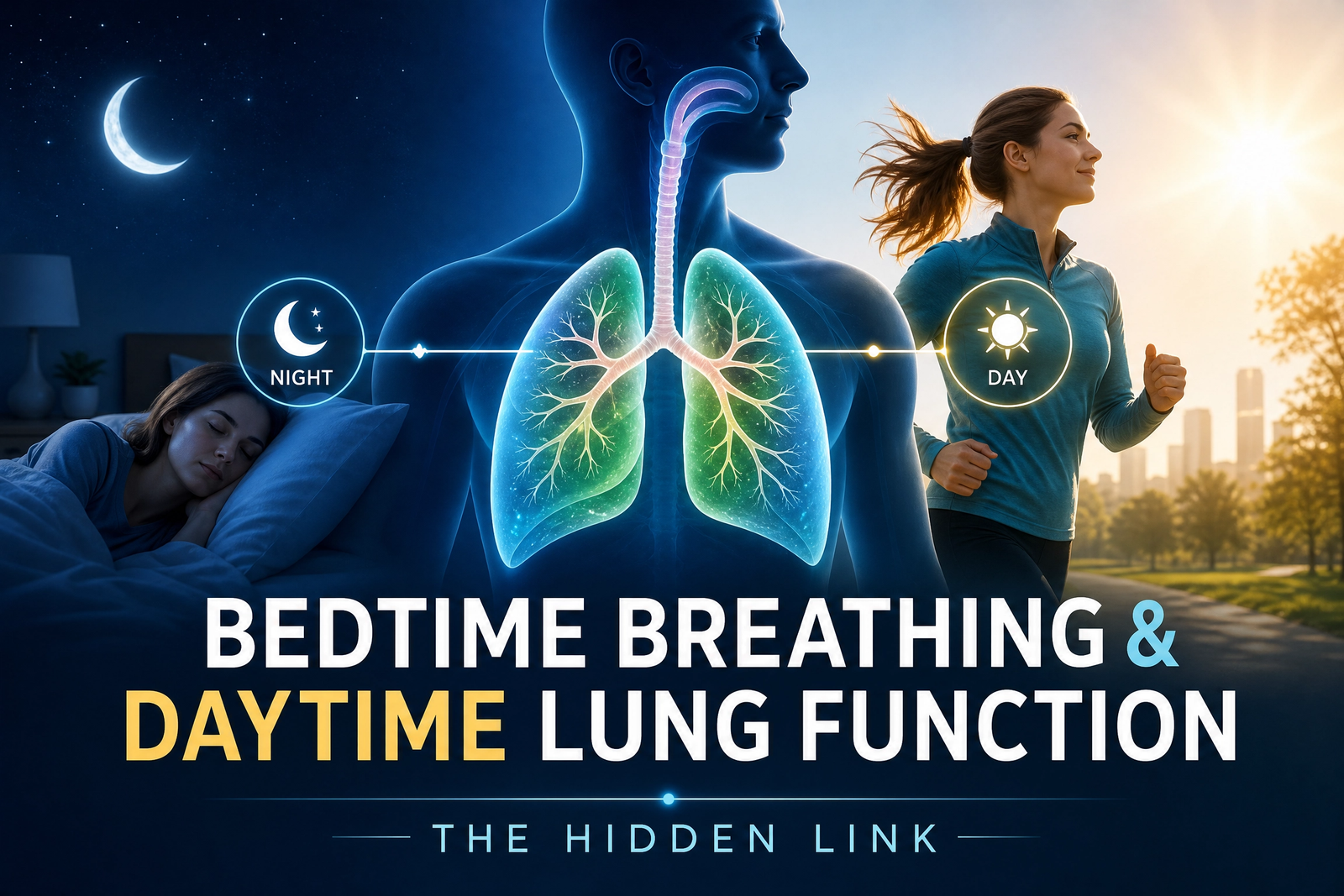
Poor breathing during sleep directly impairs daytime lung function through a cascade of mechanisms: nocturnal hypoxia triggers oxidative stress and systemic inflammation that persist into waking hours, REM sleep deprivation reduces respiratory muscle recovery, and sympathetic overdrive from repeated apneic arousals causes airway hyperreactivity. The result is morning dyspnea, reduced exercise tolerance, cognitive impairment from hippocampal oxygen deprivation, and accelerated lung function decline. Recovery requires a multi-pronged approach: formal sleep evaluation, optimized sleep positioning, airway clearance before bed, and structured breathing retraining programs like Click here to learn more about Breathing for Sleep → that strengthen respiratory muscles, restore parasympathetic balance, and reestablish healthy nocturnal breathing patterns.
The Hidden Link Between Your Bedtime Breathing and Daytime Lung Function
Eleanor had grown accustomed to the morning fog. Each day began the same way: she woke exhausted, her thoughts moving like molasses, her chest tight in a way that her morning inhaler only partially relieved. By 10 AM, the fog would lift slightly, enough for her to manage coffee and the newspaper. By noon, she could pass for normal. But the mornings were devastating.
Her pulmonologist had adjusted her medications three times in the past year. Her spirometry showed gradual decline, nothing dramatic. Her CT scan was unchanged. And yet something was wrong, something invisible to every test they ran during business hours.
The answer came not from a pulmonary function test, but from a simple overnight oximetry study her daughter insisted upon after noticing Eleanor’s breathing stop repeatedly during a weekend visit. Eleanor’s oxygen saturation was spending nearly 40% of her sleep time below 88%, with dramatic desaturations to 76% during what appeared to be REM periods. Her brain was being starved of oxygen for hours every night, and the consequences were written in her morning brain fog, her persistent fatigue, and her inexorably worsening lung function.
How Nocturnal Hypoxia Hijacks Your Daytime Life
The relationship between nighttime breathing quality and daytime function operates through several well-characterized biological pathways, each representing a potential therapeutic target for patients willing to address their sleep.
The Oxidative Stress Hangover
Each episode of nocturnal desaturation followed by reoxygenation generates a burst of reactive oxygen species. This intermittent hypoxia-reoxygenation pattern is particularly damaging because it mimics the injury pattern seen in ischemia-reperfusion syndromes. The antioxidant defenses of COPD patients are already compromised by chronic oxidative stress from smoking and inflammation, leaving them especially vulnerable.
The oxidative stress generated during sleep doesn’t simply switch off at sunrise. The inflammatory cascade triggered by nocturnal hypoxia produces cytokines and acute-phase reactants that persist for hours. When Eleanor woke at 7 AM, her bloodstream was still carrying the inflammatory legacy of her disrupted sleep, and her airways were correspondingly more reactive, more swollen, and less responsive to her bronchodilator than they would be after a night of normal breathing.
Neurocognitive Consequences of Nocturnal Hypoxemia
The brain consumes approximately 20% of the body’s oxygen despite comprising only 2% of body weight. It is exquisitely sensitive to oxygen deprivation. The hippocampus, responsible for memory consolidation, and the prefrontal cortex, governing executive function, are particularly vulnerable to intermittent hypoxia.
Patients with chronic nocturnal desaturation frequently report difficulties with short-term memory, concentration, planning, and mental flexibility. These complaints are often dismissed as normal aging or medication side effects, but formal neuropsychological testing reveals measurable deficits in attention, processing speed, and working memory that correlate with the severity of nocturnal oxygen desaturation.
The clinical significance extends beyond inconvenience. Cognitive impairment in COPD patients predicts poor medication adherence, increased hospitalization risk, and reduced ability to recognize and respond appropriately to exacerbation warning signs. Treating nocturnal hypoxia is not merely a quality-of-life intervention; it is a safety issue.
Sympathetic Overdrive and Airway Hyperreactivity
Each apneic episode triggers a catecholamine surge as the sympathetic nervous system responds to catastrophic hypoxia. Over the course of a night with hundreds of apneic events, this produces a state of persistent sympathetic activation that persists into daytime hours.
Elevated sympathetic tone has multiple adverse effects for respiratory patients. It increases airway smooth muscle contractility, worsening bronchoconstriction and reducing the effectiveness of beta-agonist bronchodilators. It increases mucus secretion through cholinergic pathways. And it promotes pulmonary vasoconstriction, increasing the afterload on the right ventricle and potentially precipitating right heart failure in susceptible patients.
The result is a patient who wakes with airways that are tighter, more reactive, and less responsive to treatment than they would be after a night of uninterrupted breathing.
REM Sleep Deprivation and Respiratory Muscle Recovery
Normal sleep architecture includes approximately 20-25% REM sleep, during which the brain consolidates memories, processes emotional experiences, and initiates tissue repair. Apneic events cluster during REM periods, when skeletal muscle atonia makes the respiratory system most vulnerable. The repeated arousals necessary to restart breathing fragment REM sleep, reducing its restorative functions.
Respiratory muscles, like all skeletal muscles, require adequate rest and recovery to maintain strength and endurance. The constant emergency activation of inspiratory muscles during disrupted sleep prevents this recovery, contributing to the respiratory muscle fatigue that many patients experience as disproportionate dyspnea during morning activities.
The Measurable Impact on Daytime Lung Function
The biological mechanisms described above translate into concrete, measurable declines in daytime respiratory function that compound the already compromised status of chronic lung disease patients.
Morning peak expiratory flow reduction: Studies demonstrate that patients with untreated nocturnal desaturation show significantly lower morning peak flows compared to their afternoon values, with the magnitude of this morning dip correlating with the severity of overnight oxygen desaturation. This morning penalty persists for hours after waking, limiting early-day activities precisely when many patients need to be most active.
Reduced exercise tolerance: Six-minute walk distances and cardiopulmonary exercise test parameters are significantly lower in COPD patients with coexisting OSA compared to matched patients with COPD alone. The impairment exceeds what would be predicted from resting spirometry, suggesting that sleep-disordered breathing imposes a functional cost that pulmonary function testing cannot capture.
Increased bronchodilator requirements: Patients with untreated OSA require more frequent rescue inhaler use, particularly in the morning hours. This increased medication requirement reflects the heightened airway reactivity produced by nocturnal sympathetic activation and inflammation, and represents both a clinical warning sign and an unnecessary medication burden.
Accelerated FEV1 decline: Longitudinal studies suggest that the combination of COPD and untreated OSA produces faster decline in forced expiratory volume than COPD alone. The mechanisms include increased exacerbation frequency, persistent systemic inflammation, and possibly nocturnal mechanical stress on airway walls.
The Respiratory Connection
At Respiratory Friends Centre, we understand that lung health doesn’t pause when the lights go out. The connection between nighttime breathing patterns and daytime respiratory function represents one of the most underappreciated yet actionable insights in chronic lung disease management. Addressing your sleep breathing isn’t just about feeling more rested; it’s about protecting your lungs from the most insidious threat they face: the one that attacks while you’re unconscious.
Recognizing the Warning Signs: Is Your Sleep Destroying Your Days?
Respiratory patients should maintain a high index of suspicion for sleep-disordered breathing. The following symptoms and patterns suggest that nocturnal breathing impairment may be compromising daytime lung function:
- Morning headaches that take hours to resolve
- Waking with shortness of breath or chest tightness that exceeds baseline
- Daytime fatigue disproportionate to your activity level
- Difficulty concentrating, memory lapses, or “brain fog”
- Mood changes including irritability, anxiety, or depressive symptoms
- Frequent nighttime urination (nocturia caused by atrial natriuretic peptide release during apneic events)
- Dry mouth or sore throat upon waking
- Increased need for rescue inhaler, especially before noon
- Unintentional napping during daytime activities
- Reduced effectiveness of long-acting bronchodilators
- Leg swelling that worsens despite diuretic therapy
- Morning confusion that improves after several hours awake
Important Note
The presence of these symptoms does not confirm sleep-disordered breathing, but they warrant discussion with your healthcare provider and consideration of formal sleep evaluation. Many patients require only overnight oximetry as an initial screening test.
Evidence-Based Recovery Protocols for Sleep-Related Lung Impairment
Breaking the cycle of nocturnal lung damage and daytime dysfunction requires a structured, multi-component approach. The following elements, implemented together, offer the best chance of restoring both sleep quality and daytime respiratory function.
Step 1: Diagnose and Quantify the Problem
Before beginning any intervention, establish the baseline. Overnight pulse oximetry provides a simple, low-cost screening tool that documents the presence and severity of nocturnal desaturation. For patients with symptoms suggestive of obstructive sleep apnea, polysomnography remains the gold standard for diagnosis and severity classification.
Request that your physician also assess for contributors that may be addressable: medication timing, evening alcohol consumption, nasal congestion or obstruction, gastroesophageal reflux, and sleep position. Each of these factors can independently worsen nocturnal breathing and may be easier to modify than the underlying disease.
Step 2: Optimize the Sleep Environment and Position
Environmental modifications require no prescription and can produce immediate benefits:
Head-of-bed elevation: Raising the head of the bed 30-45 degrees reduces nocturnal desaturation in many COPD patients by improving diaphragmatic mechanics and ventilation-perfusion matching. Foam bed wedges or adjustable beds provide more stable elevation than stacking pillows, which can compress the abdomen and restrict breathing.
Side-sleeping: For patients with positional OSA, maintaining a side-sleeping position can reduce the apnea-hypopnea index by 50% or more. Commercial positional devices are available, and simple homemade solutions (tennis ball sewn into a pocket on the back of a t-shirt) can be effective.
Airway clearance before bed: Complete your airway clearance routine within an hour of bedtime to minimize nocturnal mucus accumulation. This is particularly important for bronchiectasis and chronic bronchitis patients.
Bedroom air quality: Maintain humidity between 40-50%, avoid known allergens, and ensure adequate ventilation without creating drafts that might trigger bronchospasm.
Step 3: Implement Structured Breathing Retraining
This is where lasting change occurs. General relaxation breathing is insufficient for patients with documented sleep-disordered breathing. What’s required is a targeted program addressing the specific neuromuscular, mechanical, and autonomic dysfunctions that produce nocturnal respiratory impairment.
Effective programs include several key components:
Inspiratory muscle training (IMT): Using a handheld resistive breathing device, patients perform daily training sessions that progressively load the diaphragm and intercostal muscles. Systematic reviews demonstrate that IMT reduces dyspnea, improves exercise tolerance, and enhances respiratory muscle endurance in COPD patients.
Myofunctional therapy: These exercises target the tongue, soft palate, and pharyngeal dilator muscles to reduce upper airway collapsibility. The evidence supports significant reduction in apnea-hypopnea index with consistent practice.
Diaphragmatic breathing restoration: Many COPD patients have shifted to accessory muscle-dominated breathing. Conscious retraining to reestablish diaphragmatic dominance reduces the work of breathing and improves ventilation efficiency.
Slow breathing with prolonged expiration: Breathing at 4-6 breaths per minute with an expiratory phase twice as long as inspiration reduces dynamic hyperinflation, activates the parasympathetic nervous system, and improves gas exchange. This pattern, practiced regularly, begins to carry over into sleep.
Click here to learn more about Breathing for Sleep → provides a comprehensive, step-by-step protocol that integrates all these evidence-based components into a structured program designed specifically for respiratory patients struggling with sleep-disordered breathing.
Step 4: Consider Adjunctive Therapies Based on Severity
While breathing exercises form the foundation of natural recovery protocols, some patients require additional interventions:
Nocturnal oxygen: If overnight oximetry demonstrates sustained desaturation below 88%, your physician may prescribe supplemental oxygen for sleep. This does not treat OSA but protects against the hypoxic consequences.
CPAP or BiPAP: For moderate-to-severe OSA, positive airway pressure therapy remains the most effective intervention. Breathing exercises can complement CPAP by reducing required pressures, improving comfort, and addressing the underlying muscle weakness that contributes to airway collapse.
Weight management: For overweight patients, even modest weight loss of 5-10% can significantly improve OSA severity and reduce daytime respiratory symptoms.
Restore Your Days by Healing Your Nights
Your morning brain fog, fatigue, and breathlessness may not be your COPD getting inevitably worse. They may be a treatable consequence of disrupted sleep breathing. Discover the protocol that addresses the root cause.
Click here to learn more about Breathing for Sleep →Pros and Cons: Natural Recovery Protocols for Sleep-Related Lung Impairment
Benefits for Respiratory Patients
- Addresses root causes of nocturnal desaturation and OSA
- Reduces morning dyspnea and brain fog
- Improves cognitive function and daytime alertness
- Strengthens respiratory muscles against disease progression
- Reduces systemic inflammation with benefits beyond lungs
- May reduce need for or dependence on nocturnal oxygen
- No mask, machine, or medication required for exercise component
- Empowers patients with active self-management tools
Important Considerations
- Requires 8-12 weeks of dedicated practice for full benefits
- Not appropriate as sole therapy for severe nocturnal desaturation
- Does not replace prescribed oxygen or CPAP when these are indicated
- Benefits depend on consistent adherence to technique
- Some patients need professional guidance for proper form
- Underlying OSA may require additional medical intervention
What to Expect: The Timeline of Recovery
Patients beginning structured breathing protocols for sleep-disordered breathing typically experience benefits in a predictable sequence:
Weeks 1-2: Improved sleep quality subjective perception; reduced time to fall asleep; decreased nocturnal awakenings. These early benefits likely reflect autonomic rebalancing and reduced anxiety rather than structural muscle changes.
Weeks 3-4: Reduced morning headaches; improved early-day energy levels; less morning dyspnea. Parasympathetic training begins to stabilize nocturnal breathing patterns.
Weeks 6-8: Measurable improvement in daytime exercise tolerance; reduced rescue inhaler use; clearer cognitive function. Upper airway and diaphragmatic strengthening becomes functionally significant.
Weeks 10-12: Objective reduction in apnea-hypopnea index for those undergoing repeat testing; sustained improvement in quality-of-life scores; improved medication response. Muscle adaptation is well-established.
Ongoing: Continued maintenance exercises preserve gains. Many patients find that consistent practice not only maintains improvements but produces continued gradual enhancement of respiratory function.
Frequently Asked Questions
Why do I feel worse in the morning if my COPD is supposedly “stable”?
The discrepancy between your “stable” spirometry and worsening morning symptoms likely reflects the limitations of daytime testing. Spirometry measures lung function at a single point in time, under controlled conditions, while you’re awake and supported by your full respiratory muscle complement. It cannot capture the hours of nocturnal hypoxia, sympathetic activation, and inflammatory cascade that occur while you sleep. Overnight oximetry or polysomnography may reveal a very different picture of your respiratory status. Many patients with “stable” daytime tests have significant nocturnal pathology.
Can nocturnal hypoxemia cause permanent brain damage?
Chronic nocturnal hypoxemia is associated with measurable changes in brain structure and function, including reduced gray matter volume in memory-related regions and impaired white matter integrity. Whether these changes are fully reversible with treatment is an active area of research, but available evidence suggests substantial recovery is possible, particularly with early intervention. The hippocampus shows remarkable plasticity when oxygen delivery is restored. The most important step is to prevent ongoing damage by treating the underlying sleep-disordered breathing as promptly as possible.
How does poor sleep breathing affect my inhaler medications’ effectiveness?
Nocturnal hypoxia and sympathetic overdrive increase airway smooth muscle tone and mucus production, creating an intrinsically more obstructed and reactive airway each morning. This heightened baseline resistance means that the same bronchodilator dose produces less measurable improvement than it would in better-controlled airways. Additionally, chronic inflammation reduces beta-2 receptor density and function, potentially causing tachyphylaxis to beta-agonist therapy. Treating sleep-disordered breathing restores airway responsiveness and may allow some patients to reduce their medication burden under physician guidance.
Are there specific breathing exercises I should do right before bed?
A pre-sleep breathing routine can help transition the respiratory system into a stable, parasympathetic-dominant state conducive to uninterrupted breathing. A typical routine includes 5-10 minutes of diaphragmatic breathing at 4-6 breaths per minute, followed by several cycles of relaxed, prolonged expiration. Some patients benefit from bilateral nasal alternate breathing (Nadi Shodhana), which has been shown to improve autonomic balance. The key is consistency: performing the same routine every night creates a conditioned response that prepares both mind and respiratory system for healthy sleep.
Can children with asthma also have sleep-disordered breathing that affects daytime symptoms?
Yes, and this represents an increasingly recognized clinical problem. Children with poorly controlled asthma frequently have disturbed sleep architecture, nocturnal cough, and in some cases coexisting OSA. The resulting sleep deprivation impairs school performance, behavioral regulation, and immune function. Parents of children with asthma who snore, sleep restlessly, or wake with morning symptoms should discuss sleep evaluation with their pediatrician. Breathing exercises adapted for children may be beneficial, though professional guidance is essential.
Why does my asthma seem to get worse at night even though I take my controller medication?
Nocturnal asthma worsening results from multiple circadian factors: natural nighttime reduction in cortisol and epinephrine, increased airway inflammation during early morning hours, and potentially undiagnosed sleep-disordered breathing. If your asthma is poorly controlled despite appropriate controller therapy, formal sleep evaluation is warranted. Treating coexisting OSA often produces dramatic improvement in asthma control, with reduced nighttime symptoms and decreased need for rescue medication. The airway is a continuous tube; what affects the upper airway during sleep affects the lower airway as well.
How do I know if my breathing exercises are working?
Track objective metrics: morning peak expiratory flow (measure before bronchodilator upon waking), rescue inhaler use frequency, Epworth Sleepiness Score, and a simple 1-10 morning energy rating. Improvement typically becomes apparent within 3-4 weeks of consistent practice. For those with documented OSA, repeat sleep testing after 10-12 weeks can quantify objective improvement in the apnea-hypopnea index. Keeping a daily sleep and symptom diary provides invaluable feedback for both you and your healthcare provider.
Should breathing exercises replace my CPAP or can they work together?
For moderate-to-severe OSA, breathing exercises should complement rather than replace CPAP therapy. Many patients find that regular practice reduces their required CPAP pressure, improves mask tolerance, and produces better overall outcomes than either approach alone. The exercises address the neuromuscular weakness and autonomic dysfunction that contribute to airway collapse, while CPAP provides immediate mechanical protection. For mild OSA or primary nocturnal desaturation without upper airway collapse, breathing exercises may serve as primary therapy. This determination should always be made in consultation with your sleep medicine physician.
Key Takeaways
- Poor sleep breathing creates an “oxidative stress hangover” that persists into daytime hours, worsening airway inflammation and reactivity
- Nocturnal hypoxia causes measurable cognitive impairment including memory deficits, reduced attention, and processing speed slowing
- Sympathetic overdrive from apneic events increases airway smooth muscle tone and reduces bronchodilator responsiveness
- REM sleep deprivation prevents respiratory muscle recovery, contributing to disproportionate morning dyspnea
- A structured recovery protocol including formal evaluation, positional optimization, and targeted breathing retraining can break this cycle
- Comprehensive programs like Click here to learn more about Breathing for Sleep → integrate evidence-based components for lasting improvement
- Never discontinue prescribed therapies including CPAP or oxygen without consulting your physician
Leave a Reply