Quick Answer
Sleep apnea and chronic lung disease create a dangerous, self-reinforcing cycle. Obstructive sleep apnea (OSA) causes repeated airway collapses during sleep, leading to nocturnal hypoxemia, systemic inflammation, and sympathetic nervous system overdrive. For patients with COPD or asthma, this nighttime oxygen deprivation accelerates disease progression, worsens daytime symptoms, and increases the risk of exacerbations and hospitalizations. The overlap syndrome, where OSA and COPD coexist, carries significantly higher morbidity than either condition alone. Breaking this cycle requires targeted interventions: positional therapy, weight management when appropriate, CPAP adherence for moderate-to-severe cases, and evidence-based breathing exercises that strengthen upper airway muscles, improve diaphragmatic function, and restore normal nocturnal breathing patterns. Structured breathing programs like Click here to learn more about Breathing for Sleep → offer accessible, natural protocols designed specifically to address sleep-disordered breathing at its root.
How Sleep Apnea Destroys Your Lung Health (And How to Fix It Naturally)
When Margaret, a 67-year-old retired teacher with moderate COPD, first started waking up gasping for air, she assumed it was just her lung disease acting up. Her pulmonologist had warned her about exacerbations, after all. But when her husband mentioned that she stopped breathing repeatedly through the night, followed by violent snorts and gasps, a new picture emerged. Margaret had joined the ranks of millions living with what researchers call the “overlap syndrome” — the dangerous intersection of obstructive sleep apnea and chronic obstructive pulmonary disease.
What Margaret didn’t realize, and what countless respiratory patients remain unaware of, is that sleep apnea doesn’t merely coexist with lung disease. It actively accelerates it, creating a spiral of declining oxygenation, escalating inflammation, and progressively damaged airways that can be difficult to escape without targeted intervention.
What Is the Overlap Syndrome, and Why Should You Care?
The term “overlap syndrome” was coined to describe the coexistence of obstructive sleep apnea (OSA) and COPD, though the concept increasingly extends to other chronic respiratory conditions including asthma and pulmonary fibrosis.
OSA affects an estimated 10-15% of the general adult population, but prevalence skyrockets among those with chronic lung disease. Studies suggest that between 20-30% of COPD patients have concurrent OSA, and the true figure may be higher given the substantial underdiagnosis of sleep disorders in respiratory clinics.
What makes this overlap so insidious is the bidirectional damage. COPD-related airway inflammation and mucus production can destabilize the upper airway, increasing collapsibility during sleep. Simultaneously, OSA-driven nocturnal hypoxemia and sympathetic activation trigger inflammatory cascades that worsen underlying lung disease. Each condition feeds the other, and patients caught in this spiral experience faster lung function decline, more frequent exacerbations, and significantly reduced quality of life.
How Sleep Apnea Damages Your Lungs Night After Night
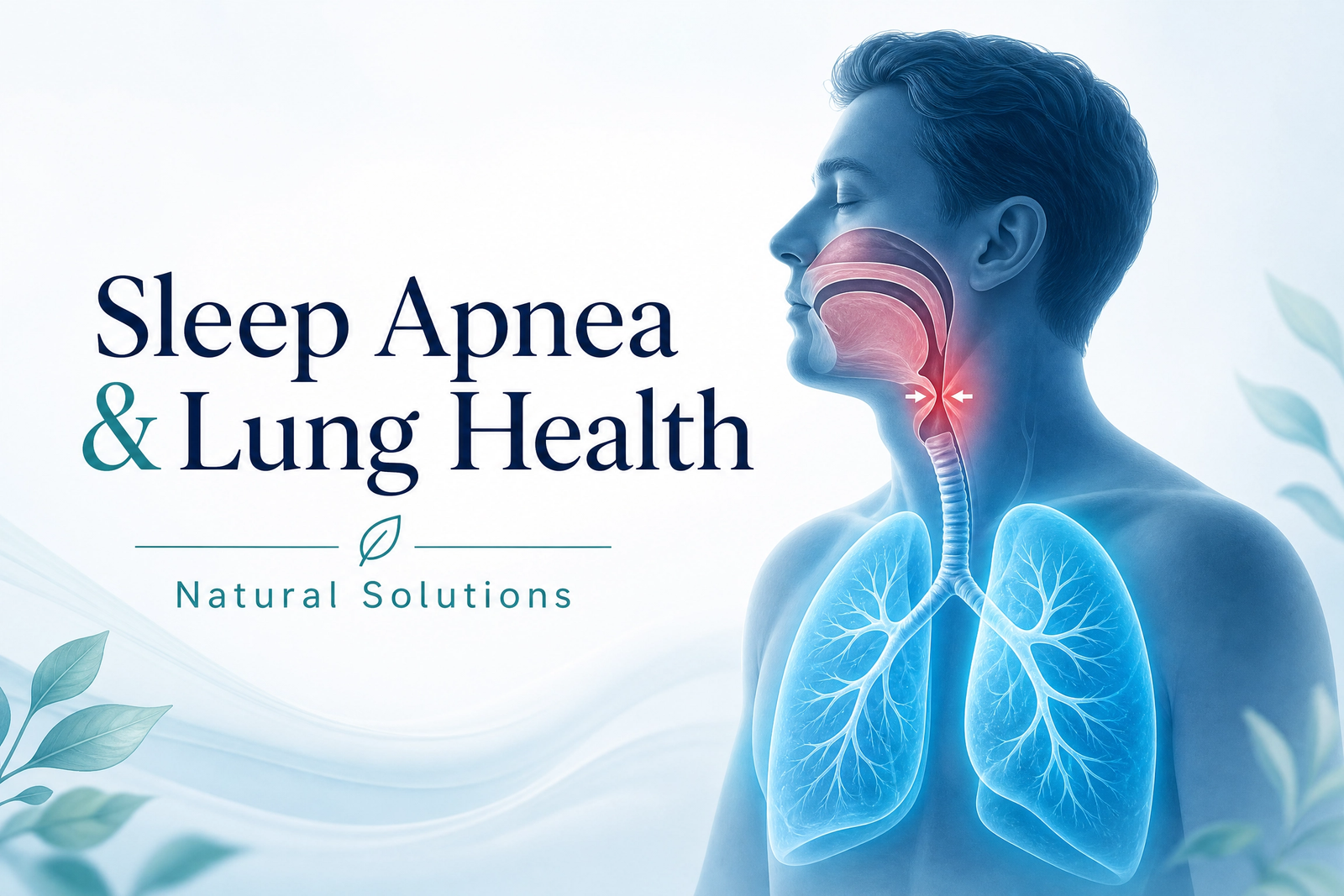
To understand the destructive mechanism, one must appreciate what happens during an apneic episode. When the upper airway collapses during sleep, airflow ceases despite continued respiratory effort. Oxygen levels drop, sometimes dramatically. Carbon dioxide accumulates. The brain, sensing catastrophic hypoxia, triggers an emergency arousal response that briefly wakes the patient, restores airway patency, and resumes breathing — often with a loud gasp or snort.
This cycle can repeat 30, 60, even 100 times per hour in severe cases. Each event inflicts damage through multiple pathways:
Nocturnal Hypoxemia and Oxidative Stress
Every apneic episode creates a wave of oxygen deprivation followed by abrupt reoxygenation. This intermittent hypoxia generates reactive oxygen species that overwhelm antioxidant defenses, producing oxidative stress throughout the pulmonary vasculature and lung parenchyma.
For COPD patients whose lungs already operate with diminished reserve capacity, these nocturnal desaturation events push them into dangerous territory. Nocturnal oxygen saturation can fall below 80%, levels that would prompt immediate hospitalization if they occurred while the patient was awake.
Systemic Inflammation
OSA triggers a chronic inflammatory state characterized by elevated levels of C-reactive protein, tumor necrosis factor-alpha, interleukin-6, and other pro-inflammatory mediators. These circulating inflammatory markers don’t remain confined to the airway; they infiltrate lung tissue, perpetuating the chronic bronchitic process, accelerating small airway remodeling, and promoting emphysematous changes.
Sympathetic Overdrive
The repeated arousals associated with OSA produce a state of persistent sympathetic nervous system activation. Nighttime surges in catecholamines elevate blood pressure, increase heart rate, and alter vascular tone. For pulmonary patients, this translates to increased pulmonary artery pressure, greater right ventricular workload, and progressive pulmonary hypertension — a feared complication that heralds significant morbidity.
Airway Remodeling
Chronic intermittent hypoxia stimulates fibroblast proliferation and collagen deposition in both upper and lower airways. The upper airway becomes more collapsible; the lower airways become more fibrotic and less responsive to bronchodilator therapy. Over time, this structural remodeling contributes to fixed airflow obstruction that no medication can fully reverse.
The Downward Spiral: How OSA Worsens Daytime Lung Function
Patients with the overlap syndrome don’t merely suffer at night. The consequences cascade into every waking hour, often in ways patients fail to connect to their sleep.
Morning headaches are a hallmark symptom of nocturnal hypercapnia and hypoxemia. Patients wake with throbbing frontal headaches that gradually improve as hours of normal breathing restore gas exchange. This phenomenon is so common in OSA that it should prompt automatic sleep evaluation in any respiratory patient.
Daytime hypersomnolence creates a dangerous trap. Poor sleep quality leaves patients exhausted, reducing physical activity levels. Deconditioning worsens dyspnea on exertion, which further limits activity, accelerating the downward spiral of physical decline that characterizes advanced lung disease. Breaking this loop requires addressing the primary sleep disorder.
Cognitive impairment represents another underappreciated consequence. Nocturnal hypoxia damages hippocampal neurons, impairs attention consolidation, and reduces executive function. Respiratory patients may attribute their “brain fog” to medication side effects or age, when in fact it reflects sustained nocturnal oxygen deprivation that is entirely treatable.
Perhaps most critically, OSA substantially increases the risk of acute exacerbations of COPD. Each exacerbation accelerates lung function decline and carries significant mortality risk. Preventing these events by treating underlying OSA represents a crucial yet underutilized strategy.
The Respiratory Connection
At Respiratory Friends Centre, we believe that understanding the sleep-lung connection is essential for comprehensive respiratory care. Your airways don’t stop functioning when you close your eyes. In fact, sleep represents the most vulnerable period for respiratory patients. Protecting your lungs during sleep is not optional; it’s a cornerstone of disease management.
Conventional Treatments: CPAP and Beyond
Continuous positive airway pressure (CPAP) remains the gold standard for moderate-to-severe OSA. By delivering a steady stream of pressurized air through a nasal or full-face mask, CPAP pneumatically splints the upper airway open, preventing collapse and normalizing breathing patterns throughout the night.
For overlap syndrome patients, CPAP offers substantial benefits. Studies demonstrate reduced exacerbation frequency, improved survival, and better quality of life when CPAP is used consistently. However, adherence represents a persistent challenge. Between 30-50% of patients cannot tolerate CPAP long-term, citing mask discomfort, claustrophobia, nasal congestion, and sleep disruption from the device itself.
Alternative and adjunctive approaches have emerged to address this gap. Mandibular advancement devices, positional therapy for supine-predominant OSA, hypoglossal nerve stimulation, and various surgical interventions each have appropriate roles in selected patients. However, one approach remains dramatically underutilized despite strong supporting evidence: structured breathing exercise programs.
How Breathing Exercises Break the Sleep Apnea-Lung Disease Cycle
Breathing exercises represent a fundamentally different approach to sleep-disordered breathing. Rather than providing external support (like CPAP), they strengthen the internal machinery of respiration — the diaphragm, intercostal muscles, upper airway dilators, and the neurological control systems that coordinate them.
The mechanisms through which targeted breathing training improves OSA are multifaceted:
Upper airway muscle strengthening: The genioglossus and other pharyngeal dilator muscles play a crucial role in maintaining airway patency during sleep. Myofunctional exercises that target these muscles reduce airway collapsibility and decrease the apnea-hypopnea index.
Diaphragmatic rehabilitation: COPD and other chronic lung diseases often shift breathing toward accessory muscle use, reducing diaphragmatic efficiency. Diaphragmatic breathing training restores the diaphragm’s role as the primary respiratory muscle, reducing the work of breathing and improving gas exchange efficiency during sleep.
Respiratory control center optimization: Structured breathing patterns recalibrate the brainstem centers that regulate respiratory rhythm and depth. This neurological adaptation reduces the frequency of central apneas and improves the stability of breathing during sleep transitions.
Sympathetic modulation: Slow, controlled breathing activates the parasympathetic nervous system, counteracting the sympathetic overdrive that characterizes OSA. This autonomic rebalancing reduces nocturnal arousals and improves sleep architecture.
Reduced inflammation: Regular breathing practice has been shown to decrease circulating inflammatory markers, potentially interrupting the inflammatory cascade that worsens both OSA and underlying lung disease.
For patients who cannot tolerate CPAP, or those seeking adjunctive interventions to optimize their respiratory health, structured breathing programs offer a compelling evidence-based alternative. Click here to learn more about Breathing for Sleep → provides a comprehensive protocol specifically designed to address sleep-disordered breathing through targeted exercises that can be performed at home without equipment.
Take Control of Your Nighttime Breathing
Don’t let sleep apnea silently accelerate your lung disease. Discover the natural breathing protocol that thousands of respiratory patients are using to restore healthy sleep patterns and protect their lung function.
Click here to learn more about Breathing for Sleep →Pros and Cons: A Respiratory Perspective
Benefits for Lung Patients
- Strengthens upper airway dilator muscles naturally
- Improves nocturnal oxygen saturation without equipment
- Reduces systemic inflammation linked to lung disease progression
- Can be used alongside CPAP or as a standalone approach
- No mask, tubing, or machine required
- Improves sleep quality and daytime energy levels
- Addresses root neuromuscular causes of airway collapse
Considerations
- Requires consistent daily practice for 6-8 weeks to see results
- Not a replacement for CPAP in severe OSA without medical supervision
- Results vary based on individual anatomy and disease severity
- Should complement, not replace, prescribed respiratory medications
- Requires commitment to technique precision
The Science Behind Breathing Retraining for Sleep Apnea
The evidence base supporting breathing exercises for OSA has grown substantially over the past decade. Research has demonstrated that myofunctional therapy, a core component of structured breathing programs, significantly reduces the apnea-hypopnea index (AHI) in adults with obstructive sleep apnea. The improvement is most pronounced in patients with mild-to-moderate disease, though benefits extend across the severity spectrum.
Additional research has demonstrated that oropharyngeal exercises improve snoring, reduce daytime sleepiness, and enhance CPAP adherence when the two approaches are combined. The mechanisms are now well-understood: exercise-induced strengthening of the genioglossus and other pharyngeal dilators increases baseline muscle tone, reducing the degree of airway collapse during the hypotonic state of sleep.
For respiratory patients specifically, the benefits extend beyond OSA metrics to directly impact lung disease outcomes. Improved sleep quality reduces inflammatory markers, enhances immune function, and restores the neuroendocrine balance that supports respiratory health.
Frequently Asked Questions
1. How common is sleep apnea in people with COPD?
Studies suggest that 20-30% of COPD patients have clinically significant obstructive sleep apnea, substantially higher than the 10-15% prevalence in the general adult population. The true figure may be even higher because sleep disorders are significantly underdiagnosed in respiratory clinics. Any COPD patient who snores loudly, has witnessed apneas, or experiences excessive daytime sleepiness should undergo formal sleep evaluation.
2. Can treating sleep apnea improve my COPD symptoms?
Yes. Research demonstrates that treating OSA in overlap syndrome patients reduces the frequency of COPD exacerbations, improves quality of life scores, and may slow lung function decline. Many patients report improved daytime energy, reduced breathlessness, and better overall disease control after initiating CPAP or a structured breathing program.
3. Do breathing exercises really work for sleep apnea?
Yes. Research confirms that myofunctional therapy and other breathing exercises significantly reduce the apnea-hypopnea index, particularly in patients with mild-to-moderate OSA. The improvement is comparable to some alternative treatments and offers the advantage of being non-invasive, low-cost, and free of side effects. Results typically require 6-8 weeks of consistent daily practice to become evident.
4. What is the “overlap syndrome”?
Overlap syndrome refers to the coexistence of obstructive sleep apnea and chronic obstructive pulmonary disease (COPD) in the same patient. This combination is particularly dangerous because the conditions interact bidirectionally: COPD-related airway inflammation worsens OSA, and OSA-related nocturnal hypoxemia accelerates COPD progression. Patients with overlap syndrome experience more frequent exacerbations, faster lung function decline, and higher mortality than those with either condition alone.
5. Can I use breathing exercises instead of CPAP?
For mild-to-moderate OSA, some patients successfully manage their condition with breathing exercises alone, particularly when combined with positional therapy and weight management. For severe OSA, CPAP remains the gold standard, though breathing exercises can serve as a valuable adjunct to improve adherence and enhance outcomes. Always consult your sleep specialist before modifying prescribed therapy.
6. How long does it take to see results from breathing exercises?
Most patients report subjective improvements in sleep quality within 2-4 weeks of consistent daily practice. Objective improvements in sleep study parameters typically take 6-8 weeks to become measurable. Maximum benefits often require 3-6 months of sustained practice. Consistency matters more than intensity; daily practice produces significantly better outcomes than longer but intermittent sessions.
7. How does this program help my specific lung condition?
Whether you have COPD, asthma, bronchiectasis, or pulmonary fibrosis, the fundamental challenge remains: sleep-disordered breathing accelerates your lung disease through nocturnal hypoxemia, systemic inflammation, and autonomic dysfunction. This program addresses those mechanisms directly, strengthening your respiratory system’s capacity to maintain normal oxygen levels throughout the night, regardless of your underlying diagnosis.
8. What is the success rate for natural sleep apnea approaches?
For mild-to-moderate OSA, structured breathing programs have demonstrated success rates of 60-80% in reducing symptoms and improving sleep study parameters, with some studies showing complete resolution in carefully selected patients. Success depends on adherence, disease severity, and individual anatomical factors. Many patients who cannot tolerate CPAP find natural approaches offer a viable alternative.
5 Key Takeaways
- Sleep apnea and lung disease create a bidirectional cycle of worsening health that accelerates COPD progression and increases exacerbation risk.
- The overlap syndrome affects 20-30% of COPD patients but remains significantly underdiagnosed in respiratory clinics.
- Conventional CPAP therapy is effective but adherence is poor; many patients seek natural alternatives.
- Evidence-based breathing exercises strengthen airway muscles, improve oxygenation, and reduce inflammation.
- A structured breathing program offers a non-invasive, side-effect-free approach to protecting your lung health during sleep.
Leave a Reply