Affiliate disclosure: This article contains an affiliate link. We may earn a commission if you purchase through it, at no extra cost to you.
Breathlessness after COVID is common and can be frightening, especially when it lingers for weeks after the infection itself has passed. The encouraging news is that there are practical breathing techniques and pacing strategies that may help you manage it, and clear signs that tell you when it is time to get checked. Knowing why it happens, what you can try at home, and which symptoms need urgent attention can make recovery feel far less overwhelming.
Key takeaways
- Breathlessness is one of the most commonly reported lingering symptoms of COVID, and it can affect people who had mild illness as well as those who were seriously unwell (source: PubMed review of long COVID).
- There are several possible reasons for it, including deconditioning, breathing pattern disorders, anxiety and lung changes after pneumonia (source: RDaSH NHS Foundation Trust).
- Simple techniques such as “blow as you go”, matching breathing to steps, and cool air from a fan may help ease the feeling of breathlessness (source: Guy’s and St Thomas’ NHS Foundation Trust).
- New or worsening breathlessness should always be checked by a medical professional; some symptoms need urgent help.
- Recovery is rarely a straight line, and support from your GP, NHS 111 or a local long COVID service can make a real difference.
Why can breathlessness continue long after COVID?
Breathlessness is the second most common symptom of long COVID, according to the Rotherham Doncaster and South Humber NHS Foundation Trust (RDaSH). It can persist whether you spent your infection at home or in hospital, which can be confusing and worrying if you expected to feel better by now.
Research into long COVID suggests the condition can involve many body systems, including the respiratory, cardiovascular, neurological and musculoskeletal systems. Persistent symptoms reported in studies include fatigue, dyspnoea (the medical term for breathlessness), cardiac abnormalities, sleep disturbance and muscle pain (source: PubMed review, Long COVID: mechanisms, risk factors, and management).
Common reasons for post-COVID breathlessness
RDaSH NHS Foundation Trust describes several reasons why breathlessness can continue after COVID:
- Deconditioning. If you were less active while recovering, your body and breathing muscles can become less efficient, making everyday tasks like housework or climbing stairs feel much harder.
- After-effects of pneumonia. If COVID affected your lungs more severely, breathlessness can sometimes linger.
- Breathing pattern disorders. Poor breathing habits can form during and after illness, and anxiety or a difficult experience can trigger them.
- Reflux disease. This can cause breathlessness, coughing and voice changes.
It is worth knowing that you do not need to work out the cause yourself. A clinician can help identify what is driving your breathlessness and show you techniques to restore good breathing control; NHS recovery guidance recommends seeking medical advice if your breathing is getting worse or you have new breathlessness after COVID-19 (source: Guy’s and St Thomas’ NHS Foundation Trust).
Breathlessness after COVID: what may help day to day
Breathlessness is a common symptom when recovering from COVID-19 and it can feel frightening (source: Guy’s and St Thomas’ NHS Foundation Trust). The techniques below come from NHS rehabilitation guidance and may help you feel more in control.
Breathing techniques to re-establish a good pattern
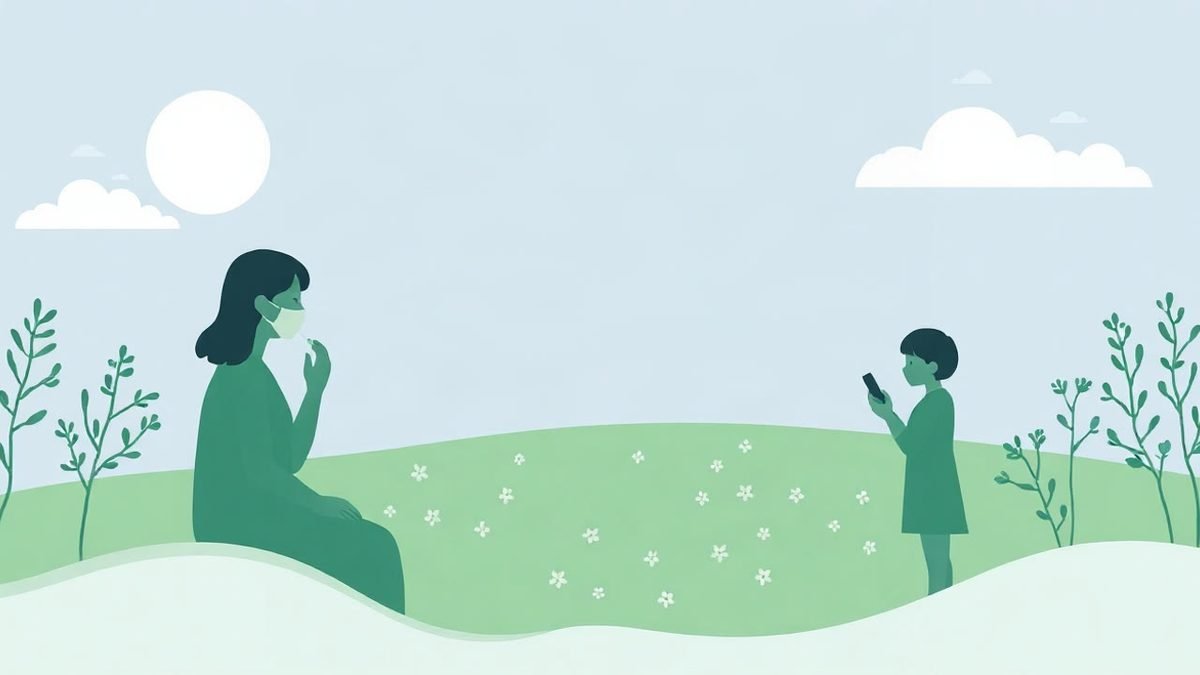
When you have a virus, your breathing pattern can change, and re-learning a comfortable pattern is a recognised part of recovery (source: Guy’s and St Thomas’). Good breathing starts with the nose, which warms and humidifies the air you breathe in, and RDaSH notes that restoring a good pattern may improve energy levels, sleep, concentration, exercise tolerance and anxiety.
Guy’s and St Thomas’ NHS Foundation Trust notes that breathing pattern can change after a virus and that there are exercises to help re-establish a good breathing pattern and manage breathlessness and coughing. If you are using an incentive spirometer as part of your recovery, our guide on how to use an incentive spirometer at home explains what the numbers mean and when to call your GP.
“Blow as you go” and pacing your movement
These practical tips come from Guy’s and St Thomas’ NHS Foundation Trust:
- Avoid holding your breath during activities such as climbing stairs or bending.
- Blow as you go: breathe out when you do something that involves effort, such as bending, lifting, reaching or standing up from a chair.
- Match your breathing to your steps. For example, when climbing stairs, breathe in on one step and out on the next.
- Use cool air. Pointing a fan towards your mouth and nose can reduce the feeling of breathlessness.
Managing cough alongside breathlessness
Many people still have a cough during recovery. Coughing helps clear phlegm from the lungs, but too much can be tiring and can irritate and inflame the airways, which may make the cough worse (source: Guy’s and St Thomas’). If a troublesome cough is disturbing your nights, our article on sleep problems with breathing conditions has rest-friendly ideas that may also apply during post-viral recovery.
Dealing with the anxiety that comes with breathlessness
Breathlessness can make you feel out of control of your breathing, and anxiety can itself worsen breathing patterns. Anxiety and a traumatic past event have been noted as possible triggers for a breathing pattern disorder, and anxiety management is often included as part of COVID rehabilitation alongside breathlessness and fatigue support. Slowing your breathing, using nasal breathing and reminding yourself that getting out of breath with effort is normal can all help break the cycle.
When should you get checked for breathlessness after COVID?
The clearest advice across NHS sources is this: if your breathing is getting worse, or you develop new breathlessness after COVID, it is important to get medical advice (source: Guy’s and St Thomas’).
Symptoms that need urgent help
- Severe difficulty breathing, gasping, choking or not being able to get words out
- Lips or skin that are pale, blue or grey; on brown or black skin this may be easier to see on the palms of the hands, soles of the feet or gums
- Someone passing out and not responding normally
- Rapid worsening of symptoms over hours or days
Symptoms that need a prompt GP appointment
The NHS advises seeing a GP if your shortness of breath gets worse when you are doing your normal activities or when lying down, contacting NHS 111 if you have difficulty breathing, and calling 999 if you have severe difficulty breathing.nhs.uk/conditions/heart-failure/”>NHS). The NHS also lists feeling weak, light-headed or very tired after moving or doing physical activity, and swelling in the feet, ankles, legs or tummy, as symptoms of heart failure, and advises that it is important to get such symptoms checked (source: NHS).
These symptoms can have many possible causes besides COVID, including heart-related ones, and the NHS is clear that symptoms of this kind should be checked rather than waited on (source: NHS). Checking does not mean something serious is wrong; it simply means you get a proper assessment and the right support sooner.
What to expect from a medical assessment
Many people worry that their breathlessness will be dismissed if tests come back normal, and some people report that their breathing still feels not quite right even when test results are normal. That does not mean the feeling is imaginary; breathing pattern disorders, deconditioning and anxiety can all cause real symptoms even when scans and blood tests look typical.
A proportionate assessment usually starts with a history of your symptoms and a physical examination, and your GP may arrange tests based on what they find. Clinicians can also show you breathing techniques to help restore good breathing control, which RDaSH describes as good news for people recovering from COVID. If your symptoms fit long COVID, your GP may refer you to a local long COVID or rehabilitation service.
Can long COVID breathlessness get better with time?
Recovery experiences vary greatly from person to person, and breathlessness after illness can differ widely between individuals. Studies of long COVID describe persistent symptoms in both hospitalised and non-hospitalised patients, but they also describe therapeutic options and rehabilitation approaches that can support recovery (source: PubMed review).
What the evidence and NHS guidance consistently support is that active management helps: re-learning good breathing patterns, pacing your activity to rebuild fitness gradually, managing anxiety and fatigue, and keeping in contact with your GP if things are not improving. Restless nights can also drag recovery down, so if nights are difficult, our article on restless legs and lung conditions may offer useful ideas.
Practical tips for living with breathlessness during recovery
Small adjustments can take pressure off your breathing while your body recovers:
- Plan demanding tasks for times of day when you usually feel best, and build in rest breaks.
- Sit down for activities you would normally do standing, such as preparing meals or getting dressed.
- Use “blow as you go” on every effort, from lifting shopping to climbing stairs.
- Keep movement in your day as you are able, since complete inactivity can worsen deconditioning, but pace it carefully and follow your clinician’s advice.
- Write down your symptoms, what triggers them and what helps, so your GP appointments are as useful as possible.
If breathlessness is also affecting your sleep, our guide to why breathing disrupts rest and what helps has suggestions that many people find relevant during recovery from any breathing condition.
Advertisement
Books and guides on breathing
Books, e-books and brochures from the Conscious Breathing Institute on breathing habits, sleep and stress.
Affiliate link: we may earn a commission if you buy, at no extra cost to you. We have not tested this product. It is general education, not a medical treatment, and it does not replace your inhalers, prescribed care or pulmonary rehabilitation. If you have a lung condition, check with your GP or respiratory team before changing how you breathe or exercise.
FAQ
How long does breathlessness after COVID usually last?
There is no single timeline. Some people improve within a few weeks, while others have symptoms that persist for months as part of long COVID, which studies show can follow both mild and severe illness. If breathlessness is not clearly improving after a few weeks, or it is getting worse, get it checked by your GP.
Is it normal to get out of breath doing small tasks after COVID?
It is a common experience, often linked to deconditioning after a period of less activity, or to a breathing pattern disorder. NHS rehabilitation teams see this frequently and can show you techniques to help. Breathlessness from everyday activity is also something the NHS specifically advises getting checked, so mention it to a clinician rather than simply pushing through (source: NHS).
Can breathing exercises really help post-COVID breathlessness?
NHS guidance consistently recommends breathing exercises as part of recovery. Guy’s and St Thomas’ states there are exercises to help re-establish a good breathing pattern and manage breathlessness and coughing, and RDaSH says clinicians can show you techniques to restore good breathing control. Individual results vary, but these techniques are low risk and widely used in NHS rehabilitation.
Should I worry if my tests are normal but I still feel breathless?
Normal tests can still leave you feeling that your breathing is “not quite right”, and conditions such as breathing pattern disorders can cause real symptoms without obvious abnormalities. Keep describing your symptoms to your clinician; if they significantly affect your life, ask whether a referral to a long COVID or respiratory service would be appropriate.
When is breathlessness an emergency?
Seek urgent help by calling 999 if you have severe difficulty breathing, cannot speak full sentences, have sudden or crushing chest pain, or your lips or skin look pale, blue or grey. These signs should never be waited out at home (source: NHS).
Final thoughts
Breathlessness after COVID is common, often manageable, and always worth taking seriously. Start with the gentle techniques above, pace your return to activity, and keep a simple note of how things change over time. If your breathing is getting worse, new symptoms have appeared, or several weeks have passed without improvement, book a GP appointment; and if any of the urgent red flag symptoms appear, seek emergency help straight away. For more practical, everyday guidance on breathing and lung health, explore the other recovery articles here on Respiratory Friends Centre.
Sources
- Heart failure – NHS
- Coronavirus (COVID-19) recovery – Breathlessness and coughing | Guy's and St Thomas&#
- Breathlessness after COVID – Rotherham Doncaster and South Humber NHS Foundation Tru
- COVID-19 rehabilitation: Breathlessness, fatigue and anxiety management | CUH
- Breathlessness After COVID or Viral Illness: What You Can Do
This article is general information and not a substitute for professional medical advice.
If you have symptoms or concerns, speak to your GP or a qualified health professional.
Editorial note: this is general health information, not medical advice. Our articles are written and checked against published guidance by our editorial team and are not reviewed by a clinician unless the article says so. If your care team has told you something different, follow their advice.
Leave a Reply