Getting used to CPAP: common problems and what helps
Getting used to CPAP usually takes days or even weeks, and most of the difficulties people meet in the early weeks (a leaky mask, a stuffy or dry nose, trouble falling asleep or a dry mouth) can be fixed with adjustments to the mask, humidification or machine settings. You are not alone in finding it awkward at first, and asking for help early makes a real difference to long-term success. This guide walks through the problems people most often report, what practical steps may help, and when it is worth contacting your sleep clinic or supplier.
Key takeaways
- Early difficulties with CPAP are common and usually fixable; most problems relate to mask fit, dryness or how the pressure feels.
- If you have problems early on, contact your healthcare professional or CPAP supplier rather than struggling on alone.
- If your first mask or machine does not suit you, there are many other types to try; most masks can be adjusted for a more comfortable fit.
- Features such as a ramp setting, heated tubing and a humidifier can make therapy more comfortable while you adjust, according to the Sleep Foundation.
- CPAP works best when it is used every night, for most of the night, so building the habit gradually matters as much as the equipment itself.
Why does CPAP feel so strange at the start?
A CPAP machine delivers air through a hose and a mask, creating a gentle, constant pressure that keeps the throat open during sleep. Some machines adjust the pressure automatically within a set range. Used regularly, this treatment prevents breathing pauses, reduces snoring and daytime sleepiness and may improve blood pressure. Those benefits depend on using it every night, for most of the night (Pulse Atlas).
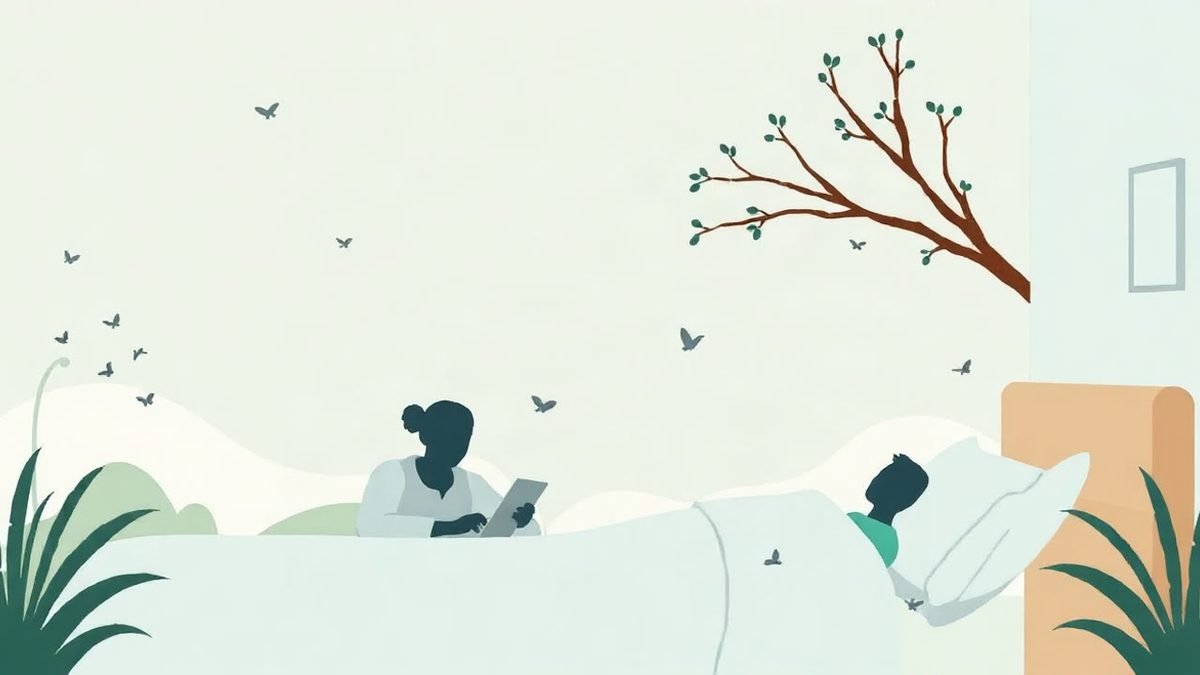
The trouble is that breathing against pressurised air while wearing a mask can initially feel restrictive or unnatural. The sensation of the mask itself, the noise of the machine and the rhythm of the airflow all take some getting used to, and many people struggle with the mask at first. That first impression is not a verdict on the therapy: it is simply the adjustment period, and it passes more easily for most people with a few sensible changes.
It also helps to remember why you are doing it. Obstructive sleep apnoea (OSA) occurs when the throat muscles relax and block the airway during sleep, so breathing repeatedly stops and starts. CPAP is the standard treatment for moderate and severe OSA, and it works when it is used consistently (Pulse Atlas). Keeping that purpose in mind can make the awkward early nights feel worthwhile.
How long does it take to get used to CPAP?
There is no single answer, but for people new to CPAP therapy, adjusting to the noise and physical sensation can take days if not weeks (Sleep Foundation). The adjustment period varies from person to person, and support from your care team, along with adjustable settings such as ramps, humidification and different masks, can make it easier (Pulse Atlas).
What matters is the direction of travel. If each week the mask feels a little more familiar and you are managing a little more of the night, you are on track. If you are still struggling badly after several weeks, that is a signal to ask for a review rather than a reason to give up. Early support improves long-term use, and clinics would far rather troubleshoot now than lose you from therapy later (Pulse Atlas).
Mask problems: leaks, pressure points and fit
A leaky mask is one of the most common complaints in CPAP therapy, along with trouble falling asleep, nasal symptoms and dry mouth (Mayo Clinic). Leaks are frustrating because they can wake you, dry your eyes, make noise and reduce the pressure actually reaching your airway.
What may help with mask fit
- Adjust rather than over-tighten. Tightening or loosening the straps can improve comfort and reduce leaks; if it still will not seat properly, ask about a different mask type (Sleep Foundation). Cranking the straps down usually makes leaks and pressure sores worse, not better.
- Try different mask styles. If your first mask does not work for you, there are many other types and sizes to try, from nasal cushions to full-face designs (Mayo Clinic).
- Get fitted properly. Your care team can help you adjust your mask and machine, and getting the right fit, mask and machine early on increases your chance of long-term success (Mayo Clinic).
- Check your sleep position. Masks can shift when you sleep on your side or press the mask into the pillow. If your mask shifts during the night, your care team can help you adjust it for a better fit (Mayo Clinic).
Feeling claustrophobic or struggling with the air pressure
Many people find the sensation of pressurised air uncomfortable at first, and some describe feeling claustrophobic with the mask on. This is a recognised and common part of the adjustment period, and it usually eases with gradual habit-building.
Gradual ways to build the habit
- Wear the mask alone first. Some people find it easier to wear the mask for short spells while awake, perhaps while reading or watching television, before adding the hose and then the machine.
- Use the ramp feature. Many machines have a ramp setting that starts at a lower pressure and rises gradually as you fall asleep, which can make drifting off feel less overwhelming (Sleep Foundation).
- Practise relaxed breathing. Focusing on slow, calm breaths through the nose while the mask is on can help the airflow feel less intrusive.
- Build up gradually. Small, consistent sessions that slowly extend through the night often work better than forcing a full night from day one, and building the habit gradually supports long-term success.
If the pressure itself feels too strong even after a few weeks, that is a technical matter your clinic can address. Pressure settings can be changed, so do not assume discomfort is something you simply have to tolerate (Pulse Atlas).
Dry nose, stuffy nose and dry mouth
Nasal symptoms are among the most frequently reported CPAP problems: a nose that is stuffy, runny or dry, and a dry mouth (Mayo Clinic). Constant airflow through the nasal passages overnight can dry them out, and people who breathe through their mouth often wake with a very dry mouth.
What may ease dryness
- Ask about a humidifier. Humidification adds moisture to the air delivered by the machine and is one of the standard remedies for CPAP-related dryness; a humidifier can help with CPAP side effects such as dryness.
- Consider heated tubing. Heated tubing reduces condensation in the hose and helps keep the delivered air comfortable, which the Sleep Foundation lists among the features that can help you acclimatise.
- Mention mouth breathing. If you wake with a dry mouth, tell your clinic. A different mask style, such as a full-face mask, or a chin strap may be appropriate depending on the cause.
- Keep the equipment clean. Following your supplier’s cleaning instructions helps the mask and humidifier work as intended.
Noise, sleep disruption and partners
The noise and physical sensation of the equipment can take time to accept, particularly for light sleepers and their partners (Sleep Foundation). Some noise, such as whistling, can come from a leaky mask, which is among the most common CPAP problems and is often fixable with adjustments to the fit (Mayo Clinic).
- Check for leaks first: a leaky mask is a common cause of noise from CPAP equipment (Mayo Clinic).
- Make sure the hose is not resting against the bed frame or headboard, which can transmit vibration.
- If noise remains a problem, mention it to your healthcare professional or CPAP supplier, and remember that if your first machine does not work for you, there are many other types to try (Mayo Clinic).
People living with lung conditions often juggle several sleep difficulties at once. If disturbed nights are a recurring theme for you, our article on sleep problems with COPD explores why breathing conditions disrupt rest and what may help alongside treatments like CPAP.
Practical habits that make the adjustment easier
Getting used to CPAP is as much about routine as it is about equipment. A few habits support the process:
- Set up the equipment before you are tired. Assembling the mask and hose when you are already exhausted makes the whole process feel harder.
- Track what goes wrong. Note whether leaks, dryness or awakenings happen at particular times or positions; this makes clinic appointments far more productive.
- Look after sleep hygiene generally. A consistent bedtime, a cool dark room and winding down properly all make it easier to fall asleep with the mask on. If restless legs are also disturbing your nights, see our guide to restless legs and lung conditions.
When to contact your clinic or supplier
Do not wait until frustration turns into quitting. Contact your healthcare professional or CPAP supplier early if you have problems when starting therapy. That early window matters: getting the right fit, mask and machine early on increases your chance of long-term success.
Contact your clinic if:
- your mask leaks despite adjustments, or leaves sore marks on your skin;
- you feel claustrophobic or cannot tolerate the pressure after a fair trial period;
- dryness, congestion or skin irritation persists despite humidification and basic care;
- you are removing the mask in your sleep or using the machine for only part of the night;
- daytime sleepiness does not improve even though you believe you are using the machine.
Your clinic can review the machine’s usage and leak data, change mask types, adjust humidification or revise pressure settings. Many aspects of CPAP can be adjusted by your clinic, mask type and fit, ramp, humidification and, where appropriate, pressure settings.Pulse Atlas). Remember too that if any health change worries you, or you develop new symptoms such as persistent breathlessness, speak to your GP or sleep team. For example, if breathlessness has worsened since an infection, our article on breathlessness after COVID explains what may help and when to get checked.
If you or someone else is severely breathless, cannot speak in full sentences, or has blue or grey lips, call 999.
FAQ
Is it normal to struggle with CPAP at first?
Yes. Many people have mask, comfort or noise issues in the first weeks, and difficulty falling asleep with the equipment is common. Early support from your clinic or supplier improves the chances of long-term use, so raise problems early rather than battling on (Pulse Atlas).
What if my mask leaks no matter what I do?
Check that the straps are adjusted rather than over-tightened, and that the mask is seated correctly for your sleep position. If leaks persist, ask your care team about other mask types or sizes; there are many designs available and most masks can be adjusted for comfort (Mayo Clinic).
Will a humidifier really help with dry nose and mouth?
Humidification is one of the standard responses to CPAP-related dryness, and a humidifier may help with side effects such as a dry nose or mouth. If dryness continues, your clinic can check the settings and consider other options.
Can I skip CPAP some nights?
Consistency is what makes CPAP work: the benefits depend on using it every night, for most of the night (Pulse Atlas). Skipping nights reduces the benefit and makes the adjustment harder. If you cannot tolerate nightly use, that is a problem to solve with your clinic, not to endure alone.
What if I just cannot get on with my machine?
Tell your sleep team. If your first mask or machine does not suit you, there are many other types to try, and machine data can show exactly where the problems lie. Alternatives and adjustments exist, but they start with a conversation (Mayo Clinic).
Final thoughts
The early weeks of CPAP are a hurdle, not a wall. Most of the problems people report in that period, from leaks and dryness to the strange sensation of pressurised air, have practical solutions, and support in the first fortnight makes a genuine difference to whether therapy sticks. If something is not working this week, book that conversation with your sleep clinic or supplier: it is the single most useful step you can take. And for more on sleep and breathing, our guide to sleep problems with COPD is a good place to continue.
Sources
This article is general information and not a substitute for professional medical advice.
Editorial note: this is general health information, not medical advice. Our articles are written and checked against published guidance by our editorial team and are not reviewed by a clinician unless the article says so. If your care team has told you something different, follow their advice.
Leave a Reply